

Starting a business from scratch sounds exciting until you realize how many decisions hit at once: the idea, the offer, the legal setup, the website, the pricing, and the question almost every beginner asks first — where do I even start? Most guides on how to start a business are either too vague or too polished to be useful in real life.
This article is a practical step-by-step guide on how to start a business from scratch. It covers how to validate an idea, choose a business model, write a simple business plan, handle startup costs, set up the legal basics, build a minimum website, get first customers, and improve conversion before you spend more on traffic. If you want a realistic guide on how to start a small business without wasting months on the wrong tasks, start here.
One important note: business registration, taxes, licenses, and legal requirements depend on your country, state, and business type. Use this article as a practical roadmap, then verify the official rules in your area before making financial or legal decisions.
How to Start a Business From Scratch Step by Step
If you are researching how to start a business for the first time, do not treat these steps like rigid rules. Think of them as the safest order for reducing risk. First validate the problem and offer. Then handle the structure, setup, and customer flow. That order helps you avoid building a business nobody wants.
Step 1: Pick a Problem Your Business Can Solve

The first step in how to start a business is not picking a logo, domain, or color palette. It is picking a real problem. A business works when it solves something painful, annoying, expensive, slow, or stressful enough that people want help now, not “someday.”
Start with problems you have seen up close: at work, in your city, in your family, in a niche community, or in an industry you know. If you can explain the problem in one sentence without sounding like a pitch deck, that is a good sign.
Example: “Local service companies lose leads because customers cannot get a quote fast” is a real business problem. “I want to be my own boss” is not a market problem. It is a personal goal.
Do this today: Write down 10 problems you have personally watched people complain about. Circle the one that feels most specific, frequent, and costly.
Common mistake to avoid: Starting a business around a vague trend instead of a problem people already want solved.
Step 2: Choose a Specific Customer
If you want to start a business from scratch, you need to choose who it is for. “Everyone” is not a target customer. “Small businesses” is still too broad. A stronger starting point is something like “one-location dentists,” “independent roofers,” “Shopify stores doing $5k to $30k a month,” or “parents of children with food allergies.”
When people search how to start a small business, they often think their first job is building a product. It is not. Your first job is choosing a buyer clearly enough that your message sounds relevant to that person.
Decision point: If trust matters a lot in your category, go narrower. Health, finance, childcare, home services, and legal-adjacent offers usually benefit from a tighter target audience first.
Do this today: Finish this sentence: My business helps [specific person] get [specific result] without [specific pain].
Common mistake to avoid: Defining your audience so broadly that your offer sounds generic to everybody.
Step 3: Choose a Business Model
Before you write a business plan, decide how money enters the business. You can sell services, one-time products, subscriptions, retainers, digital downloads, physical goods, consulting, implementation, or a hybrid model. The model affects pricing, delivery, cash flow, and growth speed.
If you need income faster, a service model is usually the simplest way to start a business. If you want leverage later, you can productize what works after you see demand. If you are building software, be realistic: starting a SaaS business usually takes longer, costs more, and needs more proof than people expect.
Do this today: Pick one model and write one sentence about how customers will pay you: per project, per month, per item, per hour, or per outcome.
Common mistake to avoid: Mixing too many models too early and confusing both your operations and your customers.
Step 4: Validate Demand With Real Conversations
This is where many business ideas get exposed. If you want to know how to start a business step by step, this step matters more than naming, branding, or posting on social media. Talk to real people.
Do not ask, “Would you buy this?” That question invites polite lies. Ask what they do now, what it costs them, what they hate about it, what they tried already, and what happened when they tried to fix it.
Mini-story: One freelancer wanted to start a business helping creators with “personal branding.” After five customer interviews, she learned they did not want brand strategy. They wanted more qualified sales calls. That insight changed the offer and saved months of wrong positioning.
Do this today: Message 10 people who fit your target customer and ask for a short conversation about how they handle the problem right now.
Common mistake to avoid: Validating your business idea only with friends, family, or people who want to be supportive.
Step 5: Write a Simple Business Plan
You do not need a 40-page document with charts, forecasts, and fake certainty. You do need a simple business plan. Think one page, not one binder.
Your starter business plan should answer six questions:
- Who is the customer?
- What problem are you solving?
- What is the offer?
- How will you price it?
- How will you get your first customers?
- What will it cost to launch?
A lean business plan is not paperwork for the sake of paperwork. It helps you make decisions faster and notice weak spots before they become expensive.
Do this today: Write a one-page business plan with those six sections. Keep each section short and specific.
Common mistake to avoid: Spending weeks “planning” when the plan never gets tested with real buyers.
Step 6: Create an Offer People Can Understand Fast
Your offer is the bridge between an interesting idea and a business that can sell. It needs to be clear enough that a stranger understands what you do, who it is for, what result they get, how long it takes, and what happens next.
Example: “I build one-page websites for local home service companies in 7 days, including copy, quote form, and mobile setup” is a clear offer. “I help brands grow online” is too vague.
Do this today: Write one sentence for your offer, then add three bullets: deliverables, timeline, and starting price.
Common mistake to avoid: Letting the offer change every time a prospect asks a new question.
Step 7: Price Your Business to Survive
Many people who start a small business underprice because they want to be easy to say yes to. That usually backfires. Cheap pricing attracts harder clients, creates pressure, and leaves no margin for mistakes, refunds, tools, or your own time.
You do not need perfect pricing on day one, but you do need a minimum price floor. If you want to start a business that lasts, pricing has to support delivery, overhead, and improvement.
Decision point: A temporary founder rate can work for your first few customers if you clearly define when that rate ends.
Do this today: Calculate the minimum price you can charge without resenting the work.
Common mistake to avoid: Using low pricing as your only strategy because you are afraid buyers will say no.
Step 8: Name Your Business and Claim the Basics

Your business name should be easy to say, easy to spell, and easy to remember. It does not need to sound like a billion-dollar startup on day one. A good-enough name you can use now is better than the perfect name that delays your launch for three weeks.
Checklist:
- The name is easy to pronounce and repeat.
- A domain is available or a reasonable version is available.
- The name does not create obvious confusion with competitors.
- The name gives you room to grow beyond one tiny offer.
Do this today: Choose a name, buy the domain, and secure the social handles you actually plan to use.
Common mistake to avoid: Waiting so long that someone else takes the domain or handle you wanted.
Step 9: Choose a Legal Structure for Your Business
One of the biggest gaps in many “how to start a business” articles is legal structure. This matters because your structure affects taxes, liability, paperwork, and how the business operates financially.
Depending on where you live, your starting options may include sole proprietorship, LLC, corporation, partnership, or local equivalents. Many people start small, then switch structures later as risk, revenue, or contracts grow.
Because legal setup varies so much by location, always double-check official government guidance in your country or state before choosing a structure. A practical article can show the order of decisions, but local compliance rules should come from official sources.
Decision point: If your business involves physical work, access to client systems, sensitive data, employees, or larger contracts, talk to a local professional early.
Do this today: Make a shortlist of business structure options in your country or state and compare them by taxes, liability, and admin complexity.
Common mistake to avoid: Ignoring legal structure until a contract, dispute, or tax issue forces the decision under pressure.
Step 10: Register the Business, Check Licenses, and Set Up Taxes
After choosing the structure, handle the official setup. The exact checklist depends on your area, but this usually includes registration, tax setup, licenses or permits if needed, and opening a dedicated business bank account.
If you are learning how to start a business from scratch, this step can feel boring. It is still important. Mixing personal and business money, skipping paperwork, or guessing your tax obligations is how small problems become expensive ones.
If you are unsure how taxes work for a new business, do not guess. Check the official tax guidance for your country, or speak with a local accountant before the first deadlines arrive. It is much easier to set up clean records early than to untangle a mess later.
Do not assume licenses and permits only apply to large companies. Many small businesses need local approvals, insurance, or category-specific permits before they can legally operate. This matters even more in home services, food, health, childcare, construction, and regulated professional work.
One of the simplest ways to keep a new business clean is to separate money early. Open a dedicated business bank account as soon as your structure and local rules allow it. That makes taxes, bookkeeping, and cash flow much easier to manage.
Quick checklist:
- Register the business name or entity if required
- Check local licenses, permits, or insurance rules
- Open a business bank account
- Set up invoicing and payment processing
- Understand basic tax deadlines and recordkeeping
Do this today: Create a local compliance checklist for your business type and region.
Common mistake to avoid: Treating legal and tax setup like a problem for “later.”
Step 11: Build a Minimum Website That Can Convert

You do not need a big website to start a small business. You need a clear website. The first version should answer five things quickly: what you do, who it is for, what problem you solve, why people should trust you, and what action they should take next.
A one-page site can be enough at the start. Strong copy matters more than fancy design. One clear CTA is usually better than five competing buttons.
Recommended sections:
- Clear headline with the offer
- Short explanation of who it is for
- Proof, testimonials, or examples
- What is included
- FAQ
- One strong call to action
Quick tools/tip: If you are not sure why visitors hesitate, look at real behavior data instead of guessing. Tools like Heatmaps and Session Recordings in Plerdy can show where people stop, scroll, click, or get confused on the page.
Do this today: Draft your homepage in plain text before you touch design.
Common mistake to avoid: Building a website that looks polished but does not explain the offer clearly.
Step 12: Set Up a Simple Sales Process
If you want to start a business step by step, you need a repeatable path from interest to payment. Sales is not random. It is a sequence.
Example: inquiry form, short call, proposal, follow-up, payment, onboarding. If you run ecommerce, the flow becomes product page, cart, checkout, confirmation, and post-purchase email.
Your early sales process does not need software overload. It needs clarity. Who replies first? How fast? What is the next step? What happens if someone does not answer?
Do this today: Map your sales process on one page and set a follow-up rule.
Common mistake to avoid: Hoping leads will just “figure it out” without a structured next step.
Step 13: Get Your First Customers Fast
Many guides on how to start a business spend too much time on theory and not enough on actual customers. Early traction usually comes from direct outreach, referrals, warm contacts, local visibility, and niche communities, not from sitting around and hoping the algorithm suddenly becomes generous.
If you run a local business, focus on local SEO, Google Business Profile, referrals, and fast response times. If you run an online business, pick one discovery channel and stay consistent long enough to learn what works.
Examples of early customer sources:
- Past colleagues or industry contacts
- Friends of clients and friends of friends
- Local business groups
- Niche Slack, Facebook, Reddit, or Discord communities
- Manual outreach with a focused offer
Do this today: Make a list of 30 people, businesses, or communities where your first customers could realistically come from.
Common mistake to avoid: Launching quietly and assuming buyers will appear because the website is live.
Step 14: Build Proof and Track What Matters
A new business needs trust signals. The fastest way to build them is proof: reviews, screenshots, before-and-after examples, mini case studies, process photos, result summaries, and honest customer feedback.
At the same time, track a short list of numbers that tell you whether the business is improving: leads, conversion rate, revenue, profit, average order value, delivery time, and retention if relevant.
Example: if 200 people visit your page and 2 contact you, the conversion rate is 1%. If a clearer headline or offer raises that to 3%, you did not just tweak copy. You tripled lead flow from the same traffic.
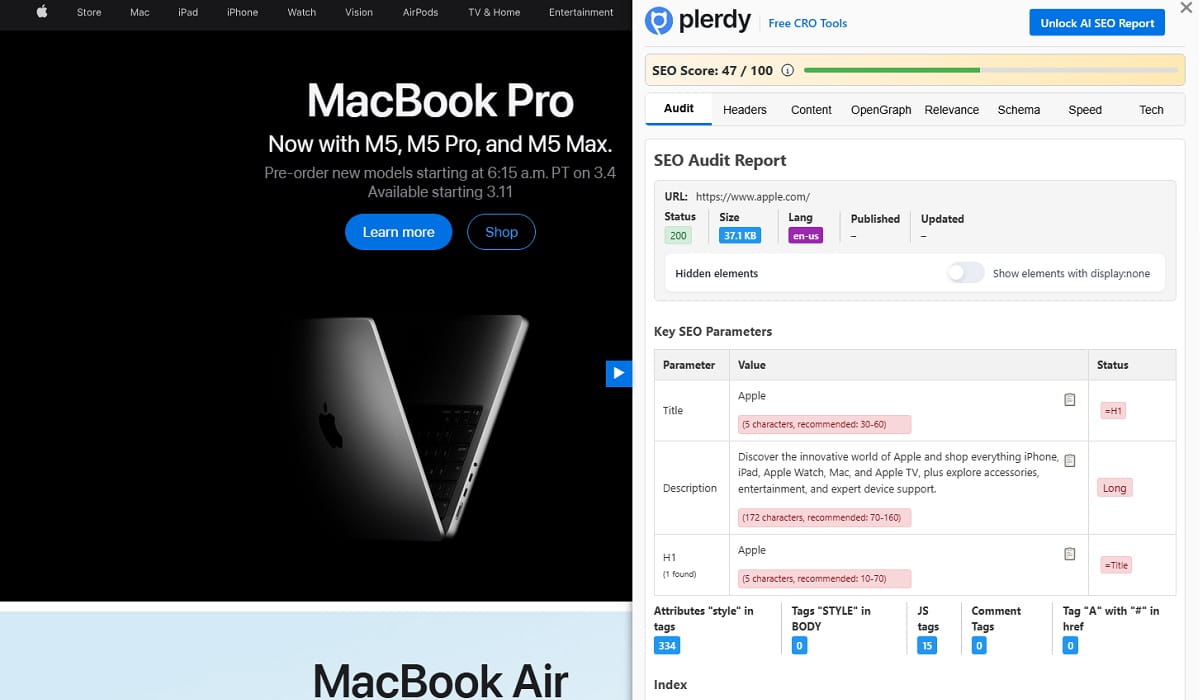
Quick tools/tip: Run regular checks on important pages so you do not miss preventable issues like weak headings, thin structure, broken SEO basics, or slow-loading sections. Plerdy’s SEO checks can help you catch problems before they quietly hurt visibility and conversions.
Do this today: Create a simple weekly scorecard with five to seven business metrics.
Common mistake to avoid: Measuring attention signals like likes while ignoring leads, sales, and conversion rate.
Step 15: Improve Conversion and Build a Weekly Operating Rhythm
One of the biggest mistakes new founders make is trying to scale traffic before fixing friction. If your website, checkout, inquiry flow, or sales message is weak, more traffic only makes the waste bigger.
If traffic is low, yes, you need more visibility. But if traffic exists and people still do not convert, fix the message, trust signals, CTA flow, form length, and page clarity first.
If you are guessing where visitors drop off, stop guessing. Use real behavior data to see how people move through the page, where they hesitate, and what gets ignored. Session Recordings and Heatmaps in Plerdy are useful here because they show friction instead of forcing you to rely on assumptions.
Starting a business is exciting. Running a business is repetition. Without a weekly rhythm, work becomes random, and random work creates random results.
You do not need a complex founder schedule. You need protected time for sales, delivery, admin, and improvement. That structure helps a small business grow even when motivation is low.
Mini-story: One side-hustle seller kept working only when inspiration hit. Orders were inconsistent, follow-ups slipped, and marketing happened whenever there was leftover energy. Once she blocked fixed time for fulfillment, outreach, and review, the business became steadier and easier to manage.
Do this today: Rewrite the first screen of your main page so the offer is obvious in under 10 seconds. Block three recurring weekly time slots for sales, delivery, and improvement.
Common mistake to avoid: Spending months “doing marketing” while the page itself is still unclear. Running the business entirely from mood and calling the chaos “flexibility.”
Starting an Online Business vs a Local Service Business
If you are figuring out how to start a business from scratch, it helps to know which path you are actually choosing. An online business and a local service business often need different priorities in the first 90 days.
Online Business
An online business usually depends more on clear positioning, content, search visibility, paid acquisition, or community-driven distribution. Trust still matters, but your website carries more of the sales load. You often need stronger proof, stronger page structure, and a better conversion path earlier.
Local Service Business
A local service business often wins through speed, trust, reviews, location relevance, referrals, and simple operations. In many cases, a clear landing page, local SEO, quote form, and fast response time matter more than a big brand identity at the start.
Best move: Pick one path clearly. The more you mix “local service,” “online content brand,” and “scalable tech startup” in your first phase, the harder it gets to make clean decisions.
How Much Does It Cost to Start a Business?
One of the most common questions behind “how to start a small business” is simple: how much money do you need? The answer depends on your model. A service business can often start lean. A product business, ecommerce brand, or equipment-heavy business usually needs more upfront cash.
Lean Startup Budget
You do most of the work yourself, keep tools simple, and trade money for time. This is often the best way to start a business from scratch if you want to reduce risk and learn fast.
Standard Startup Budget
You pay for core setup: domain, software, accounting help, a clean website, and selected contractor support. This usually gives a better pace without going overboard.
Faster-Moving Startup Budget
You buy speed through specialists, ads, content production, or operational help. This can work, but it can also hide weak positioning if you spend before validating demand.
Typical startup cost categories:
- Business registration or local legal setup
- Accounting or tax help
- Domain, hosting, and website setup
- Software subscriptions for email, CRM, scheduling, and invoicing
- Brand assets or templates if needed
- Marketing costs such as content, ads, or local promotion
- Equipment or inventory if you sell physical products
- Payment processing fees
- Insurance where relevant
- Cash buffer for slow months
Timeline You Can Actually Follow
Week 1
- Pick the problem, define the customer, and run 5 to 10 validation conversations.
- Choose the business model and write a one-page business plan.
- Draft the first version of your offer, pricing, and website copy.
- Research your legal structure, registration, and tax basics.
Weeks 2 to 4
- Register the business if needed and open a dedicated bank account.
- Launch the minimum website and set up your sales process.
- Start direct outreach or local visibility work to get first customers.
- Collect proof from early work and improve weak parts of the offer.
Month 2 to 3
- Refine positioning based on real feedback.
- Raise prices if demand and delivery quality support it.
- Improve conversion rate before scaling traffic harder.
- Add basic SEO structure, internal links, and stronger proof to key pages.
- Track weekly metrics and build a stable operating rhythm.
Quick Checklist Before You Launch
- Choose a real problem
- Define a specific customer
- Pick a business model
- Validate demand with real conversations
- Write a simple business plan
- Create a clear offer
- Set starter pricing
- Name the business and buy the domain
- Choose the legal structure
- Register the business and review taxes
- Open a business bank account
- Launch a simple website
- Set up a repeatable sales process
- Get first customers and collect proof
- Improve conversion before pushing more traffic
FAQs
How do I start a business from scratch with no money?
You can start a business from scratch with little money if you begin with a service, consulting, freelance, or skill-based offer. These models usually need less upfront investment than inventory, software development, or physical locations. The goal is to sell a clear outcome, deliver it well, and reinvest revenue into the next stage of the business.
If your idea needs equipment or inventory, consider pre-selling, starting smaller, or partnering instead of buying everything upfront. A lean start may not look glamorous, but it can still build a profitable small business.
How much money do I need to start a small business?
The startup cost depends on your business model. A service business can often launch with a domain, simple website, invoicing tool, and basic legal setup. A product business may need inventory, shipping, payment systems, packaging, and a bigger cash buffer.
The smartest way to estimate startup costs is to list your first 90-day essentials only: registration, website, software, marketing, equipment, and emergency runway. That gives you a realistic number instead of a fantasy budget.
Do I need a business plan to start a business?
You do not need a huge formal business plan to start a business. You do need a simple plan that explains the customer, problem, offer, pricing, acquisition channel, and startup costs. A one-page business plan is often enough to begin and make decisions clearly.
If you are applying for funding, grants, or loans, a more formal business plan may be required. If you are bootstrapping, your plan should stay practical and action-focused.
What legal steps do I need to start a business?
The legal steps depend on your country, state, and business type, but they often include choosing a legal structure, registering the business, reviewing licenses or permits, understanding tax setup, and opening a dedicated business bank account.
If your work involves physical risk, employees, regulated services, or bigger contracts, speak with a local accountant or legal professional early. It is easier to set the business up cleanly than to fix preventable issues later.
How long does it take to start a business from scratch?
You can start a business from scratch in a few weeks if you keep the first version simple. A basic launch often includes a clear offer, starter website, legal basics, and first outreach. Building a stable business takes longer because trust, proof, and customer flow grow through iteration.
The faster you validate and sell, the faster you learn what the business actually needs. Overbuilding usually slows the process down.
How do I get my first customers when starting a business?
Your first customers usually come from direct outreach, warm contacts, referrals, niche communities, or local visibility. At the start, you do not need mass awareness. You need targeted conversations and a clear offer.
Make the next step simple. Your page should show who the offer is for, what result it delivers, and what to do next. If people visit but do not act, tighten the message and remove friction before you spend more on traffic.
Do I need a license to start a business?
It depends on your business type and location. Some businesses can start with basic registration only, while others need local licenses, permits, insurance, or professional approvals before they can legally operate.
Do not assume licenses only apply to large companies. Local service businesses, food businesses, childcare, construction, beauty services, and regulated professions often need extra paperwork early. Always verify the rules in your area before launching.
Conclusion
If you want to start a business from scratch, do not wait for a perfect moment, a perfect plan, or a perfect brand identity. Start with a real problem, a specific customer, a clear offer, and the smallest version of the business that can actually get paid.
The founders who make progress are usually not the ones with the prettiest strategy documents. They are the ones who validate faster, sell earlier, fix friction sooner, and keep improving week by week. Start small, stay practical, and build a business that works before you try to build one that looks impressive.