

Starting a business from scratch is not a vibe. It’s a pile of small decisions you make while you’re tired, slightly unsure, and still trying to look confident on Zoom. If you’ve been Googling how to start a business and getting the same “believe in yourself” fluff, this is the opposite of that. This is a 15-step practical playbook for how to start a business from scratch, written for real people building a real business with real constraints.
Expect work. Expect tradeoffs. Expect a few moments where you realize you’ve been overthinking one tiny business detail while ignoring the big one. That’s normal. The goal here is clarity and action: pick a direction, build something useful, and keep your business moving even when it’s messy. If you want a starting a business step by step guide you can actually follow, you’re in the right place.
Start A Business In 15 Steps: The Practical, Not-Pretty Version
-
Step 1: Pick A Problem Your Business Can Solve (Not A “Passion”)
 A business starts with a problem that hurts enough that someone will pay to make it go away. Start by writing down three problems you’ve seen up close: in your job, your family, your neighborhood, your hobby group, whatever. If you can describe the problem in one sentence without buzzwords, you’re already ahead.
Example: “Local service companies lose jobs because people can’t get a quote fast” is a business problem. “I love entrepreneurship” is not. Your business will feel more motivating when it’s useful, not when it’s poetic.
Do this today: Write 10 problems you’ve personally watched people complain about, then circle the one that’s most specific.
Common mistake to avoid: Starting a business around a vague “market opportunity” you can’t explain to a real person.
-
Step 2: Choose Who Your Business Is For (One Person, Not “Everyone”)
When you start a business, your first job is choosing a customer. Not “small businesses” or “busy people.” Pick a tight slice: “dentists with one location,” “wedding photographers in my city,” “Shopify store owners doing $5k–$30k/month,” “parents of kids with allergies.”
Decision point: If your business requires trust (health, money, home services), go narrower at first. If your business is a simple utility, you can start slightly broader, but still define a primary buyer.
Do this today: Write one sentence: “My business helps [specific person] get [specific outcome] without [specific pain].”
Common mistake to avoid: Starting a business with a “target audience” that’s basically the entire internet.
-
Step 3: Decide Your Business Model (How Money Actually Enters)
You can start a business with services, subscriptions, one-time products, usage-based pricing, retainers, or a mix. The model matters because it changes your marketing, your cash flow, and your stress.
Decision point: If you need income fast, a service business is the quickest start. If you want scale later, consider productizing the service once your business has demand. If you’re building software, be honest: starting a business in SaaS usually takes longer than you think.
Do this today: Pick one model and write how you’ll charge (per project, per month, per unit, per hour, per outcome).
Common mistake to avoid: Starting a business with a pricing model you “hope” will work but can’t explain or defend.
-
Step 4: Validate Demand With Real Conversations (Not Polls)
This step is where most business plans quietly die, because it requires talking to humans. Don’t ask, “Would you buy this?” Ask about what they do today, what it costs them (time, money, stress), and what they hate about it.
Mini-story: I watched a freelancer start a business around “personal branding for creators.” She spent two weeks designing a logo for her business. Then she finally talked to five creators and learned they didn’t want branding—they wanted a simple system to book more calls. She started over, and that restart saved the business.
Quick tools/tip: Record calls (with permission) and write a “customer language” doc. Your business messaging should reuse their words.
Do this today: Message 10 people and ask for a 10-minute chat about how they solve the problem right now.
Common mistake to avoid: Starting a business after only asking friends who are being polite.
-
Step 5: Write A Simple Offer Your Business Can Deliver
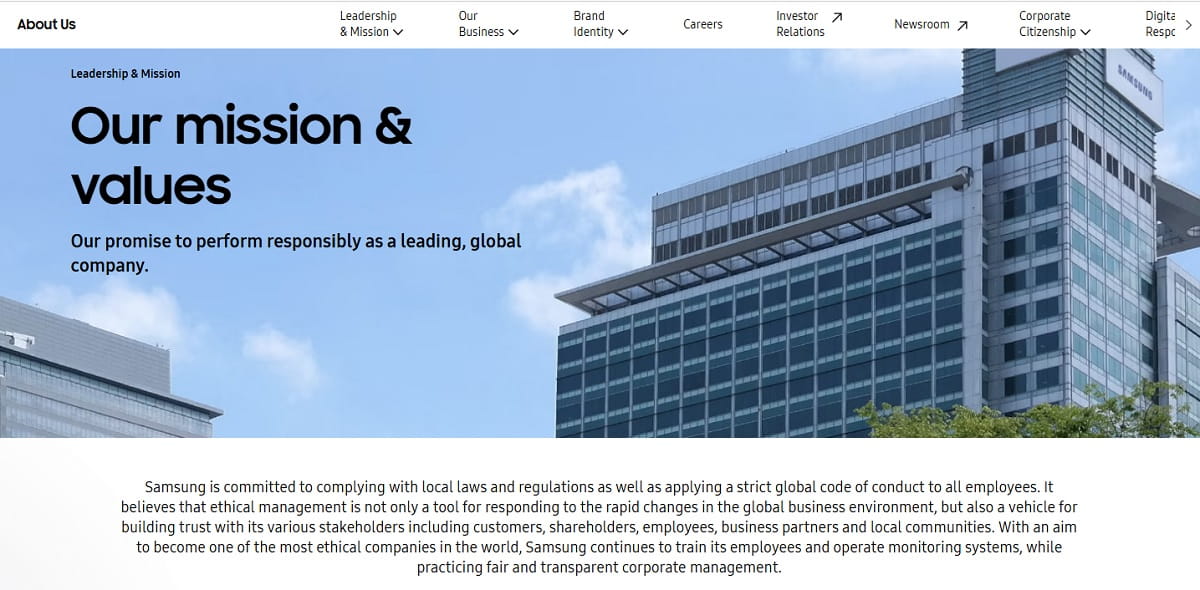 Your business offer is not a paragraph. It’s a promise plus boundaries. What do you do, for who, in what time frame, and what does “done” look like?
Example offer: “I build a one-page landing page for local home services that gets quote requests, delivered in 7 days, including copy and a booking form.” That’s a business offer. “I help brands grow” is a fog machine.
Do this today: Write one offer with three bullet points: deliverables, timeline, and starting price range.
Common mistake to avoid: Starting a business with an offer that changes every time someone asks a question.
-
Step 6: Price Your Business Like You Want To Stay In Business
Pricing is emotional. Starting a business makes people underprice because they want to be liked. But your business needs margin to survive mistakes, refunds, slow months, and learning curves.
Decision point: If your business is new and you’re unsure, start with a “founder price” for the first 5–10 customers, but set a clear end date. If your business solves a painful problem, price on value, not on your fear.
Do this today: Pick a minimum price your business will not go below, based on time, costs, and sanity.
Common mistake to avoid: Starting a business with “cheap” pricing that attracts high-maintenance customers.
-
Step 7: Name Your Business And Claim The Basics
Your business name should be easy to say, easy to spell, and not a legal nightmare. Don’t get stuck here for weeks. A “good enough” business name that you can start with beats the perfect business name that delays everything.
Checklist for a business name:
- It passes the “say it once” test (people can repeat it)
- The domain is available (or a reasonable version is)
- It won’t confuse you with a competitor business
- It doesn’t force you into one narrow product forever
Do this today: Choose a business name, buy the domain, and secure the matching social handles you’ll actually use.
Common mistake to avoid: Starting a business and losing the domain because you “wanted to think about it.”
-
Step 8: Handle The Legal Setup So Your Business Isn’t A Liability Magnet
Legal setup depends on where you live, but the mindset is universal: separate you from the business as soon as it makes sense. Many people start a business as a sole proprietor, then switch later. That can be fine. Just don’t ignore taxes, invoices, and basic paperwork.
Decision point: If your business has risk (physical work, client access, bigger contracts), talk to a professional early. If your business is low-risk and small, start simple, but keep clean records from day one.
Quick tools/tip: Use a dedicated business bank account. Your future self will thank you during tax season.
Do this today: Create a checklist of the legal steps for your area and book one consult if needed.
Common mistake to avoid: Starting a business with personal and business finances mixed together.
-
Step 9: Build A Minimum Website That Can Sell (Not A Website That Can Impress)
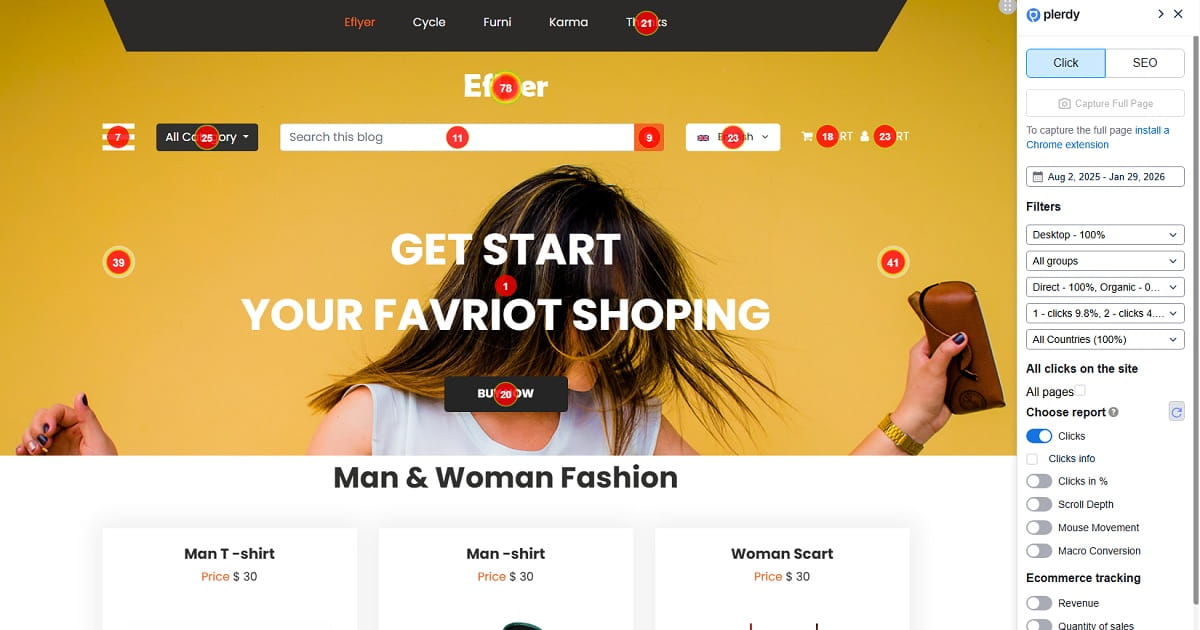 You don’t need a 12-page business site to start. You need a page that answers: what is this business, who is it for, what problem it solves, why trust you, and what to do next.
Example deliverable: a one-page site with one clear CTA (book a call, request a quote, start a trial). If you’re selling locally, add location signals. If you’re selling online, show proof and reduce friction.
Quick tools/tip: If you’re unsure why visitors aren’t clicking, use Heatmaps and Session Recordings in Plerdy to see where people hesitate on your business page. It’s not magic; it’s just evidence.
Do this today: Draft your homepage in plain text before you touch design.
Common mistake to avoid: Starting a business website that has five CTAs and zero clarity.
-
Step 10: Create A Simple Sales Process Your Business Can Repeat
Sales is not a personality trait. It’s a process. When you start a business, you need a repeatable path from “interested” to “paid.” Even a small business needs structure.
Example process: inquiry form → 15-minute call → send proposal → follow up in 48 hours → close → onboarding. If your business is ecommerce: product page → cart → checkout → confirmation → post-purchase email.
Do this today: Write your business sales steps on one page and set a follow-up rule (who follows up, when, how).
Common mistake to avoid: Starting a business with “we’ll just see what happens” as a sales plan.
-
Step 11: Build Proof Fast (Even If Your Business Is New)
People don’t trust a new business because they don’t know if you’ll deliver. You fix that by collecting proof: screenshots, before/after, testimonials, small case notes, process photos, outcomes, and clear guarantees (careful with big promises).
Mini-story: A local cleaner started a business with zero reviews. She offered three discounted jobs to friends of friends, but with one strict rule: they had to write an honest review and send two photos. In a week, the business looked real. Not “famous.” Real.
Do this today: Create a “proof folder” and add three pieces of evidence your business can show publicly.
Common mistake to avoid: Starting a business and waiting for proof to “happen naturally.”
-
Step 12: Set Up Basic Marketing Channels Your Business Can Maintain
Starting a business does not mean posting everywhere. Pick 1–2 channels you can sustain for 90 days. Content works when it’s consistent, not when it’s intense for a week.
Decision point: If your business is local, prioritize Google Business Profile, local SEO pages, and reviews. If your business is online, pick one discovery channel (SEO, partnerships, social, communities) and one conversion channel (email, retargeting, direct outreach).
Do this today: Choose one primary channel and write your first 10 topics (real questions customers ask your business).
Common mistake to avoid: Starting a business by copying someone else’s marketing channel that doesn’t fit your buyer.
-
Step 13: Track What Matters So Your Business Doesn’t Drift
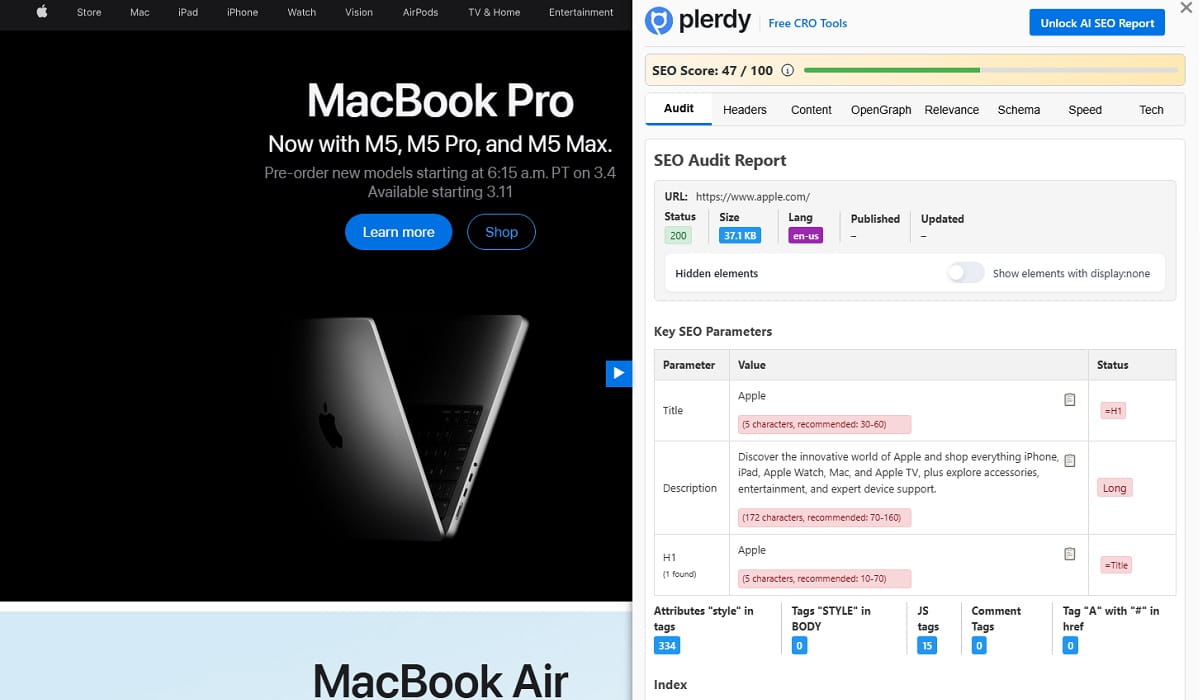 Your business needs simple numbers: leads, conversion rate, revenue, costs, and time. You don’t need a dashboard that looks like a spaceship. You need to know if the business is improving.
Example: If 200 people visit your business page and 2 contact you, your conversion rate is 1%. If you fix the message and it becomes 3%, you just tripled leads without “more traffic.” This is why CRO matters.
Quick tools/tip: Run basic SEO checks on key pages so your business doesn’t have preventable issues (missing titles, slow pages, weak headings). Plerdy’s SEO checks can help you catch basics without turning it into a month-long audit.
Do this today: Create a one-page “business scorecard” you update weekly.
Common mistake to avoid: Starting a business and measuring only likes, not leads.
-
Step 14: Improve Conversion Before You Chase More Traffic
This is the unsexy part of how to start a business that actually grows: fix leaks. If your business gets visitors but not customers, more traffic just makes the problem louder.
Decision point: If your business has low traffic, focus on outreach and distribution. If your business has traffic but low conversion, fix messaging, trust signals, page flow, and checkout friction first.
If you’re guessing where people drop off, don’t. Use Session Recordings and Heatmaps in Plerdy to watch how real visitors move through your business page or checkout. You’ll spot “dead clicks,” confusing sections, and missing answers fast.
Do this today: Pick one page and rewrite the first screen to make the business offer obvious in 10 seconds.
Common mistake to avoid: Starting a business and spending months “doing marketing” while the site is unclear.
-
Step 15: Build A Weekly Operating Rhythm So Your Business Keeps Moving
Starting a business is exciting. Running a business is a schedule. Set a simple rhythm: one day for marketing, one for sales, one for delivery, one for admin, one for improvement. Adjust for your life, but keep the business from becoming random.
Mini-story: A side hustler started a business selling handmade products and kept “working when inspired.” Sales were inconsistent. Once she set two fixed nights for fulfillment and one fixed night for marketing, the business stopped feeling like chaos and started feeling like progress.
Do this today: Block 3 recurring weekly time slots for your business: sales, delivery, and improvement.
Common mistake to avoid: Starting a business with no routine, then blaming “motivation.”
Timeline You Can Actually Follow
-
Week 1:
- Pick the business problem, define the customer, do 5–10 validation chats, and draft the offer in one page.
- Choose the business model, set a starter price, and write the minimum website copy before design.
- Set up basic business operations: bank separation, invoicing plan, and a simple sales process.
-
Weeks 2–4:
- Launch the minimum business website, start outreach, and run your first 5–10 sales conversations.
- Deliver to early customers and collect proof so the business looks credible.
- Fix obvious conversion issues using real behavior data (heatmaps/session recordings) and tighten the offer.
- Publish consistent content or do consistent outreach, but keep it sustainable for your business.
-
Month 2–3:
- Raise prices if demand is real, refine the business positioning, and productize repeatable work.
- Improve conversion rate before scaling traffic, then expand one marketing channel at a time.
- Add basic SEO structure and internal linking so the business can compound over time. (Related: on-page SEO basics)
- Build a weekly operating rhythm and track a small set of business metrics every week.
Budget Reality Check
Starting a business can be lean, standard, or “you’re moving fast.” The right business budget depends on your runway, your risk tolerance, and how quickly you need the business to pay you.
Lean business budget: You do most work yourself, start with simple tools, and trade money for time and learning. Great for a first business start, but expect slower execution.
Standard business budget: You pay for essentials (branding basics, a decent site setup, basic software, maybe a contractor) so the business moves without burning you out.
Moving fast business budget: You spend to buy speed: specialists, content production, ad testing, stronger operations. This can help a business start quickly, but it can also hide bad decisions behind spending.
- Business registration, accounting, or legal consults (varies by country and business type)
- Domain, hosting, and basic business website setup
- Design assets (logo, templates) if your business needs them
- Software subscriptions (email, CRM, scheduling, invoicing)
- Marketing costs (content tools, ads, printing for local business)
- Equipment or inventory (if your business sells physical goods)
- Payment processing fees
- Contractors or freelancers (copy, dev, editing, photography)
- Insurance (common for certain business categories)
- Time buffer for slow months while the business is starting
FAQs
How do I start a business from scratch if I have no money?
You can start a business from scratch with almost no money if you start with a service business and keep the first version simple. The business goal is to sell a clear outcome, deliver it well, and reinvest. That’s how many people start without a big budget.
Decision point: If your business requires inventory or equipment, start by pre-selling or partnering. If your business is knowledge-based (design, writing, consulting, tutoring), start by selling your time with a tight offer.
The tricky part is ego. A lean business start might look “small,” but it can still be profitable. What matters is whether the business solves a painful problem and gets paid.
How long does it take to start a small business from scratch?
You can start a small business from scratch in weeks, but building a stable business usually takes months. Starting is quick; becoming consistent is slower. A basic business launch (offer, site, first outreach) can happen fast if you don’t overbuild.
If your business is local and you already have skills, you can start getting customers sooner. If your business is software or requires product development, the starting phase is longer because delivery takes longer.
A realistic mindset: start the business quickly, then improve weekly. Most wins come from iteration, not from a perfect first attempt.
What’s the best business to start for a beginner?
The best business to start is usually the one where you already have access: access to customers, access to a skill, or access to a distribution channel. Starting a business as a beginner is easier when you can reach buyers without begging the algorithm.
Service businesses are common beginner starts because you can sell before you build. Examples include local services, freelance delivery, and productized packages. A beginner business can later evolve into a more scalable offer once you have proof.
If you’re stuck, pick the business that lets you ship the first result in 7–14 days. Speed reduces fear and improves learning.
How do I know if my business idea is good before I start?
A business idea is “good” when real people pay or seriously try to pay. Before you start, validate with conversations and a clear offer. Ask what they do today, what it costs, and what they hate.
If people describe the problem with emotion and urgency, that’s a signal. If they say “cool idea” and change the subject, your business idea might be entertainment, not demand.
When you start a business, the goal isn’t to be certain. The goal is to reduce the biggest risk first: no customer, unclear offer, or weak trust.
Do I need a business plan to start a business?
You don’t need a 40-page business plan to start a business. You do need a one-page business plan: customer, problem, offer, pricing, channel, and basic costs. That’s enough to begin.
Decision point: If you need a loan or investors, you may need a formal business plan. If you’re bootstrapping, the “plan” should be action-first: validate, sell, deliver, improve.
A business plan that delays starting is not helping. A business plan that clarifies decisions is useful.
What should I focus on first after I start a business?
After you start a business, focus on sales and delivery. Marketing matters, but early business momentum comes from real customers, real feedback, and real proof. Delivering well teaches you what your business actually is.
Then focus on conversion: improve the business website, tighten the offer, and reduce friction. If you’re unsure what’s confusing people, use behavior data like heatmaps and session recordings to see what visitors do, not what you hope they do.
Finally, build a rhythm. A business grows when you consistently do the boring work: follow-ups, publishing, improving, and tracking a few numbers.
How do I get my first customers when starting a business step by step?
When you’re starting a business step by step, your first customers usually come from direct outreach, warm networks, and focused communities. You don’t need a viral moment to start. You need 10–50 targeted conversations.
Decision point: If your business sells to local customers, optimize local listings and ask for referrals early. If your business sells online, pick one channel where your customers already hang out and show up consistently.
Make the business ask easy: one clear CTA, one clear offer, and one clear next step. If people land on your page and hesitate, tighten the message and remove distractions.
Conclusion
If you want to start a business from scratch, don’t treat it like a dramatic life event. Treat it like a series of small, practical moves. Pick two steps and do them today: define your business customer and write your first offer, or draft your business homepage copy and message 10 people for validation calls.
Starting a business is uncomfortable because it’s real. But a clear business start beats a perfect business plan. Keep the work simple, keep the next action obvious, and keep improving what actually converts. Your business doesn’t need hype. It needs motion.