

Choosing between HubSpot Marketing Hub and Wishpond is not really about picking the “better” marketing tool in general. It is more about the kind of growth system you need. HubSpot is stronger when your team wants CRM, automation, reporting, sales alignment, and long-term customer data in one place. Wishpond is often more interesting when the main job is to launch landing pages, popups, contests, funnels, and lead generation campaigns without building a heavy CRM setup.
This HubSpot vs Wishpond comparison explains the real differences in pricing, automation, landing pages, email marketing, CRM depth, and use cases. It also covers Wishpond alternatives and Wishpond competitors, because many users do not compare only two tools. They usually want to know which platform fits their budget, team size, and marketing funnel.
HubSpot vs Wishpond: Fast Answer
HubSpot Marketing Hub is the stronger choice if you need a full marketing automation platform connected to CRM, sales, reporting, lead scoring, campaign analytics, and customer data. It is more scalable, but the price can grow fast when you move from Starter to Professional or Enterprise.
Wishpond is the simpler choice if your team mainly needs landing pages, popups, forms, social promotions, referral campaigns, contests, email sequences, and campaign funnels. It may feel easier for small businesses that want to launch lead generation campaigns quickly, but its current public pricing is less transparent because the official site pushes users toward a demo for detailed pricing.
In short: choose HubSpot for CRM-based growth and advanced automation. Choose Wishpond for lighter campaign building, popups, landing pages, and promotions.
What Is HubSpot Marketing Hub?
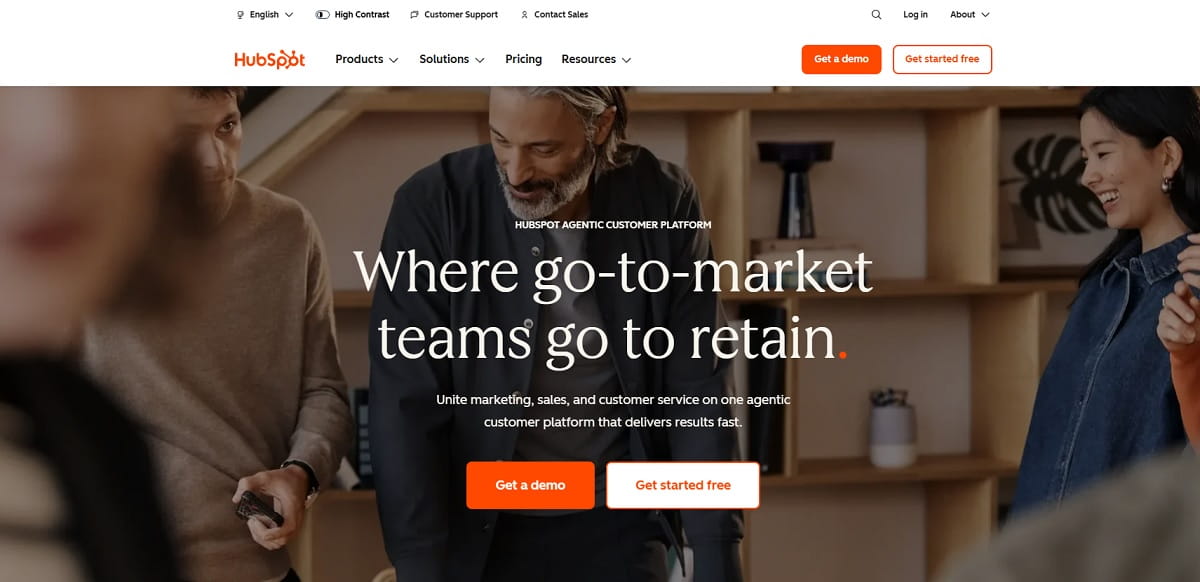
HubSpot Marketing Hub is a marketing automation platform built around HubSpot CRM. It helps teams capture leads, manage contacts, send emails, build forms, run campaigns, automate workflows, track performance, and connect marketing activity with sales data.
The main advantage of HubSpot is that it does not work like a single landing page builder or email tool. It connects many parts of the customer journey: lead capture, segmentation, email marketing, ads, social media, workflows, reporting, CRM records, and sales handoff. That makes it useful for B2B companies, SaaS teams, agencies, and growing businesses that need more structure than a simple lead generation tool.
What Is Wishpond?
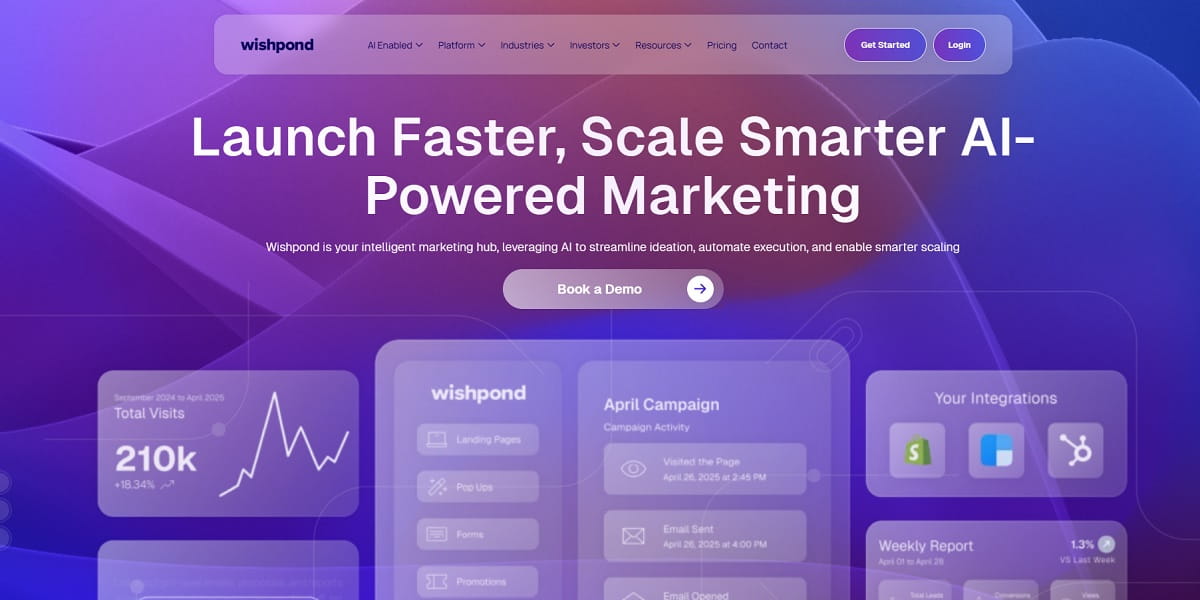
Wishpond is a marketing platform focused on campaign creation and lead generation. It includes tools for landing pages, popups, forms, social promotions, contests, referral campaigns, email marketing, funnels, appointments, and lead management.
Wishpond is more campaign-first than CRM-first. That matters. A small business might use Wishpond to launch a giveaway, collect emails, create a popup, publish a landing page, and send follow-up emails. A larger team might still prefer HubSpot if it needs deeper CRM data, attribution, advanced reporting, and stronger sales alignment.
HubSpot Marketing Hub vs Wishpond Comparison Table
| Feature | HubSpot Marketing Hub | Wishpond | Better Fit |
|---|---|---|---|
| Main Focus | CRM-based marketing automation, lead management, reporting, and campaign growth. | Landing pages, popups, forms, contests, funnels, and lead generation campaigns. | HubSpot for CRM and automation. Wishpond for campaign launch speed. |
| CRM | Built around HubSpot CRM with contact records, lifecycle stages, lists, segmentation, sales handoff, and reporting. | Includes lead database and contact management, but it is not as deep as HubSpot CRM. | HubSpot |
| Landing Pages | Available in Marketing Hub, especially useful when connected with CRM, forms, automation, and reporting. | One of Wishpond’s core strengths, with drag-and-drop landing pages, templates, and A/B testing options. | Wishpond for simple campaign pages. HubSpot for CRM-connected pages. |
| Popups And Forms | Forms are strong and connected to CRM. Popup-style lead capture is available through HubSpot forms, CTAs, and integrations. | Strong focus on website popups, forms, lead capture, visitor engagement, and campaign offers. | Wishpond for popups. HubSpot for CRM-connected forms. |
| Email Marketing | Email marketing, personalization, segmentation, automation, and reporting are stronger in higher tiers. | Email campaigns and automated sequences are available for campaign nurturing. | HubSpot for advanced lifecycle email. Wishpond for simpler campaign follow-up. |
| Marketing Automation | Simple automation in Starter. Advanced workflows, lead scoring, and omnichannel automation in Professional and Enterprise. | Useful for campaign follow-up, funnels, email sequences, and lead nurturing, but less enterprise-level than HubSpot. | HubSpot |
| A/B Testing | Available in higher plans depending on the feature and HubSpot tier. | Commonly promoted across landing pages, funnels, forms, and campaign tools. | Wishpond for lightweight testing. HubSpot for larger marketing systems. |
| Social Promotions And Contests | HubSpot supports social media management in advanced plans, but contests are not its core use case. | Strong focus on sweepstakes, referral contests, photo contests, coupons, giveaways, and social promotions. | Wishpond |
| Analytics And Reporting | Strong reporting, dashboards, campaign analytics, contact attribution, and advanced reporting in higher tiers. | Campaign-level analytics and reporting are available, especially around promotions, landing pages, and funnels. | HubSpot for deep reporting. Wishpond for campaign reporting. |
| Ease Of Use | Easy at the Starter level, but Professional and Enterprise require more setup and process discipline. | Usually easier for fast campaign creation and smaller marketing teams. | Wishpond for speed. HubSpot for structure. |
| Pricing Transparency | Public pricing is available, but final cost depends on seats, contacts, onboarding, and add-ons. | Current official pages push users toward a demo for detailed pricing instead of showing a clear public plan table. | HubSpot |
HubSpot vs Wishpond Pricing
Pricing is one of the biggest differences in this comparison. The old article should not keep outdated Wishpond and HubSpot prices because both platforms have changed how they present costs.
HubSpot Marketing Hub Pricing
HubSpot Marketing Hub has several tiers. Free tools are available for basic marketing needs. Starter is the low-cost entry plan for smaller teams. Professional and Enterprise are much more expensive but include deeper automation, reporting, campaign tools, and larger contact limits.
| HubSpot Plan | Current Pricing Note | Best For |
|---|---|---|
| Free | $0/month with basic tools such as forms, email marketing, and basic chatbots. | Very small teams testing HubSpot. |
| Starter | Starts from low per-seat pricing, with 1,000 marketing contacts included. | Small teams that need branded emails, forms, and simple automation. |
| Professional | Starts around $800/month on annual billing, with onboarding fee and 2,000 marketing contacts included. | Teams that need advanced automation, campaign reporting, lead scoring, and social tools. |
| Enterprise | Starts around $3,600/month, with onboarding fee and 10,000 marketing contacts included. | Larger companies that need advanced attribution, governance, journey analytics, and enterprise controls. |
The key thing with HubSpot pricing is that the public plan price is only part of the story. Seats, marketing contact tiers, onboarding, extra users, and add-ons can increase the total cost. This is why HubSpot may look affordable at Starter level but become expensive once a team needs Professional workflows, advanced reporting, lead scoring, and more contacts.
Wishpond Pricing
The old article mentions fixed Wishpond plans such as Starting Out, Rapid Growth, and Everything You Need. That pricing block should be removed or rewritten because Wishpond’s current official website does not clearly show that same public pricing table. Instead, Wishpond directs users toward a personalized demo and detailed pricing information.
For the article, the safest wording is this: Wishpond pricing is quote-based or demo-led on the current official website. Do not publish old plan prices as current unless you confirm them directly with Wishpond sales.
| Pricing Point | HubSpot Marketing Hub | Wishpond |
|---|---|---|
| Public Pricing | Yes, HubSpot shows public pricing by tier. | Not clearly public in the same old plan format; users are pushed toward demo-based pricing. |
| Entry Cost | Free and Starter options are available. | Requires checking current quote or demo details. |
| Cost Growth | Can grow with contacts, seats, onboarding, and higher tiers. | Depends on package, services, campaign needs, and quoted plan. |
| Pricing Risk | Professional and Enterprise can be expensive for small teams. | Less transparent before contacting sales. |
HubSpot vs Wishpond For Lead Generation
Both tools can help with lead generation, but they approach it differently. HubSpot is better when lead generation must connect to CRM data, sales follow-up, lifecycle stages, lead scoring, and reporting. It is not just about getting a form submission. It is about knowing who the lead is, where they came from, what they did, and how sales should respond.
Wishpond is stronger when the goal is to launch campaigns quickly. A business can build landing pages, popups, forms, promotions, contests, and email follow-ups without creating a complex CRM process first. This makes Wishpond useful for local businesses, ecommerce campaigns, agencies, giveaways, and short-term lead generation pushes.
HubSpot vs Wishpond For Landing Pages And Popups
Wishpond has a clearer landing page and popup focus. If your team wants to create a landing page, add a popup offer, test a contest, collect emails, and follow up with subscribers, Wishpond feels more direct. This is why many people searching for Wishpond alternatives are usually comparing landing page builders, popup tools, contest tools, and marketing funnel platforms.
HubSpot landing pages are more powerful when they are part of a bigger system. A landing page can feed contacts into CRM, trigger automation, update lists, send emails, notify sales, and appear in campaign reports. This makes HubSpot better for companies where landing pages are one part of a larger marketing and sales process.
HubSpot vs Wishpond For Marketing Automation
HubSpot has the stronger automation system, especially in Professional and Enterprise. It supports workflows, segmentation, lead scoring, customer journeys, campaign reporting, and CRM-based personalization. For a B2B company with a long sales cycle, this can be a major advantage.
Wishpond automation is more campaign-focused. It can help with email sequences, lead nurturing, funnels, and follow-up after a popup, landing page, or promotion. That is useful, but it does not replace HubSpot when a company needs deeper CRM automation, attribution, and multi-team reporting.
HubSpot vs Wishpond Pros And Cons
HubSpot Marketing Hub Pros
- Strong CRM connection for marketing, sales, and customer data.
- Good fit for B2B, SaaS, agencies, and teams with longer sales cycles.
- Advanced automation, reporting, segmentation, and lead scoring in higher plans.
- Large ecosystem of integrations, training resources, and partner support.
- Better long-term structure for teams that want one system for marketing and sales.
HubSpot Marketing Hub Cons
- Professional and Enterprise pricing can be too high for small businesses.
- Contact tiers, seats, onboarding, and add-ons can increase the final cost.
- Advanced setup takes time and usually needs a clear internal process.
- It may feel too heavy if you only need landing pages, popups, or contests.
Wishpond Pros
- Good focus on landing pages, popups, forms, funnels, and promotions.
- Useful for contests, giveaways, referral campaigns, and simple lead generation.
- Often easier for small teams that want to launch campaigns quickly.
- Campaign tools are more direct than a full CRM-based marketing suite.
- Can be practical for ecommerce, local business, and agency campaign work.
Wishpond Cons
- Pricing is less transparent on the current official website.
- CRM and reporting depth are weaker compared with HubSpot.
- It may not be enough for larger B2B teams with complex automation needs.
- Users comparing Wishpond competitors may also want to check support, contracts, and implementation details before buying.
Wishpond Alternatives And Competitors
People searching for Wishpond alternatives usually want one of three things: lower pricing, clearer pricing, or a more specialized tool. Wishpond competitors can be split into several groups.
| Alternative Type | Examples | Why Users Compare Them With Wishpond |
|---|---|---|
| CRM And Marketing Automation | HubSpot, ActiveCampaign, Keap | Better for contact management, lifecycle automation, and sales follow-up. |
| Landing Page Builders | Unbounce, Leadpages, Instapage | Better when the main need is landing page creation and conversion testing. |
| Email Marketing Platforms | Mailchimp, Brevo, GetResponse | Better when email campaigns are more important than contests or popups. |
| Popup And CRO Tools | OptiMonk, Privy, Plerdy | Better when the focus is website conversion, behavior analysis, forms, and onsite offers. |
| Contest And Referral Tools | Viral Loops, ShortStack, Gleam | Better when contests, referrals, and viral campaigns are the main priority. |
HubSpot is one of the strongest Wishpond alternatives if your business has outgrown simple campaign tools and now needs CRM, advanced marketing automation, reporting, and sales alignment. But if you only need fast landing pages, popups, and promotions, HubSpot may be more expensive and more complex than necessary.
Where Plerdy Fits In This Comparison
HubSpot and Wishpond help teams launch campaigns and manage leads, but they do not always show why visitors hesitate on a page. This is where Plerdy can support the funnel. Plerdy helps analyze user behavior with heatmaps, session recordings, SEO analysis, event tracking, forms, and conversion-focused insights.
For example, a team can use HubSpot for CRM and automation, Wishpond for a campaign landing page, and Plerdy to see whether users scroll, click, ignore the CTA, abandon the form, or miss the offer. That behavior data can make the HubSpot vs Wishpond decision more practical, because you are not choosing only by feature lists. You are checking what actually happens on the website.
Which Tool Should You Choose?
| Choose This Tool | When It Makes More Sense |
|---|---|
| Choose HubSpot Marketing Hub | You need CRM, contact management, automation, lead scoring, reporting, sales alignment, and scalable marketing operations. |
| Choose Wishpond | You need landing pages, popups, forms, contests, referrals, and campaign funnels without a heavy CRM setup. |
| Use Plerdy With Either Tool | You want to understand how users behave on landing pages, forms, popups, and conversion paths before changing the funnel. |
A small ecommerce shop, local business, or campaign-heavy agency may prefer Wishpond because it is built around fast lead generation. A B2B SaaS company, sales-led business, or larger marketing team will usually get more from HubSpot because the CRM and automation depth matter more over time.
Conclusion: HubSpot Marketing Hub vs Wishpond
HubSpot Marketing Hub and Wishpond can both support lead generation, but they are not built for the same type of marketing team. HubSpot is the better choice for structured growth, CRM, reporting, automation, and sales alignment. Wishpond is better for fast campaign launches, landing pages, popups, contests, and simpler lead generation funnels.
The safest decision is not to compare only pricing. Compare the real job. If you need a marketing system around customer data, choose HubSpot. If you need campaign assets and lead capture tools without a complex CRM setup, Wishpond may be enough. And if conversion behavior matters, add Plerdy to see what users actually do on the page.
FAQ About HubSpot Marketing Hub vs Wishpond
Is HubSpot Better Than Wishpond?
HubSpot is better if you need CRM, advanced automation, lead scoring, reporting, and sales alignment. Wishpond is better if you mainly need landing pages, popups, contests, forms, and simple lead generation campaigns.
Is Wishpond Cheaper Than HubSpot?
Wishpond may be cheaper for campaign-focused lead generation, but its current official website does not show the same clear public pricing table as HubSpot. HubSpot has public pricing, but Professional and Enterprise plans can become expensive because of contacts, seats, onboarding, and add-ons.
What Is HubSpot Marketing Hub Best For?
HubSpot Marketing Hub is best for teams that need CRM-connected marketing, email automation, lead scoring, segmentation, campaign reporting, landing pages, forms, and sales handoff in one platform.
What Is Wishpond Best For?
Wishpond is best for landing pages, website popups, online forms, contests, referral campaigns, social promotions, marketing funnels, and simple lead generation campaigns.
What Are The Best Wishpond Alternatives?
The best Wishpond alternatives depend on the use case. HubSpot is stronger for CRM and automation, Unbounce and Leadpages are strong for landing pages, Mailchimp and Brevo are useful for email marketing, and Plerdy can help with conversion analysis, heatmaps, forms, and user behavior insights.