

Most small businesses do not have a traffic problem. They have a focus problem. They try five channels at once, copy whatever bigger brands are doing, burn a little money, then decide marketing does not work. That is usually not true. The real issue is picking ideas that match your budget, your audience, your sales cycle, and your actual capacity to execute. For owners comparing marketing ideas for small business, the biggest wins usually come from choosing fewer channels and running them with more discipline.
This guide is built for that reality. Not theory. Not recycled “post on social media” advice with no detail. Below, you will find 15 small business marketing ideas that can work for local companies, service providers, ecommerce stores, and lean teams. Each one includes why it works, when to use it, a practical example, and a caution so you do not waste time on the wrong version of the tactic.
How To Choose the Right Marketing Ideas for Your Small Business
Before you pick a channel, answer three things: how fast you need results, how much time you can personally give, and how people usually buy from you. The strongest small business marketing ideas usually look simple on paper because they are built around fit, timing, and consistency rather than novelty.
If you need leads this month, start with demand capture. That usually means Google Business Profile, referral systems, review generation, or search-focused content tied to buyer intent. If you are building a brand that should compound over time, content, email, partnerships, and customer retention plays deserve more attention.
Budget matters, but not in the way people think. A low-budget business can still win with smart positioning, consistent follow-up, and simple execution. A bigger mistake is spending on channels you cannot support. Running paid ads, for example, without a good landing page, a clear offer, and basic conversion tracking is just an expensive way to feel busy.
Match the idea to the stage of the business too:
- Early stage: Focus on visibility, trust, and first customers.
- Growing stage: Build repeatable lead sources and better follow-up.
- Established stage: Improve conversion rates, retention, and referral volume.
That simple filter already removes half the bad advice online.
1. Turn Your Google Business Profile Into a Lead Channel
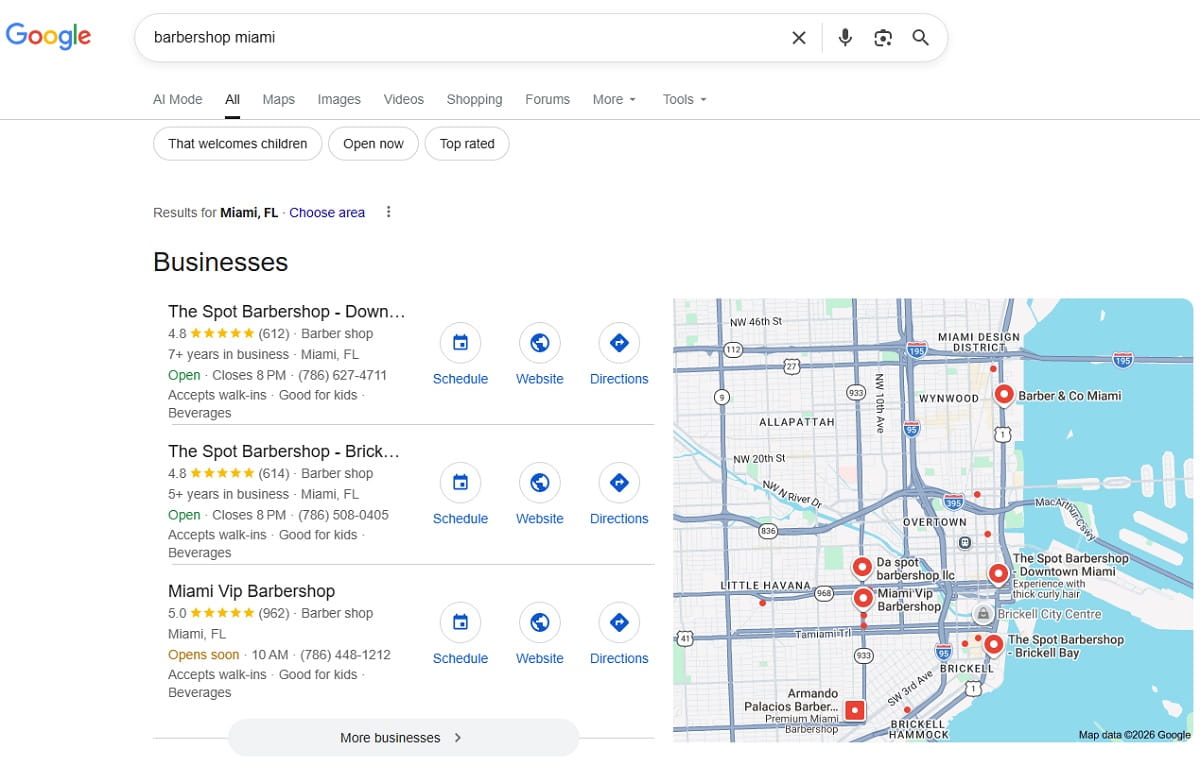
This is one of the best local marketing ideas for small business owners because it captures people already looking for what you sell. Not someday. Now. A strong Google Business Profile can drive calls, map views, website clicks, and walk-ins without the ongoing cost of ads. Among all small business promotion ideas, this one stands out because it reaches buyers who are already searching with intent.
It makes the most sense for local services, clinics, restaurants, salons, contractors, repair businesses, and any company with a physical service area. If someone can search “near me” and your business is relevant, this matters.
A practical example: a local HVAC company updates its profile weekly with real job photos, answers every review, adds service descriptions with plain-language keywords, and posts seasonal offers before weather spikes. That profile often outperforms the company website for local discovery.
The common mistake is treating the profile like a listing instead of an active marketing asset. Incomplete categories, stale images, no Q&A, and weak review activity quietly kill visibility. A related internal link to a local SEO or website audit guide would fit naturally in this section.
2. Build One High-Intent Landing Page for One Core Offer
Small businesses often spread attention across too many pages. A better move is creating one focused landing page around one service, one audience, or one problem. It works because clarity converts better than variety. Focused pages remain one of the most reliable marketing ideas for small businesses when the offer is specific and the next step is obvious. People do not want to decode your business. They want to know whether you solve their problem.
This makes sense when you offer a service people actively search for or when you are running ads, email campaigns, or partner promotions. It is also a strong move for seasonal offers.
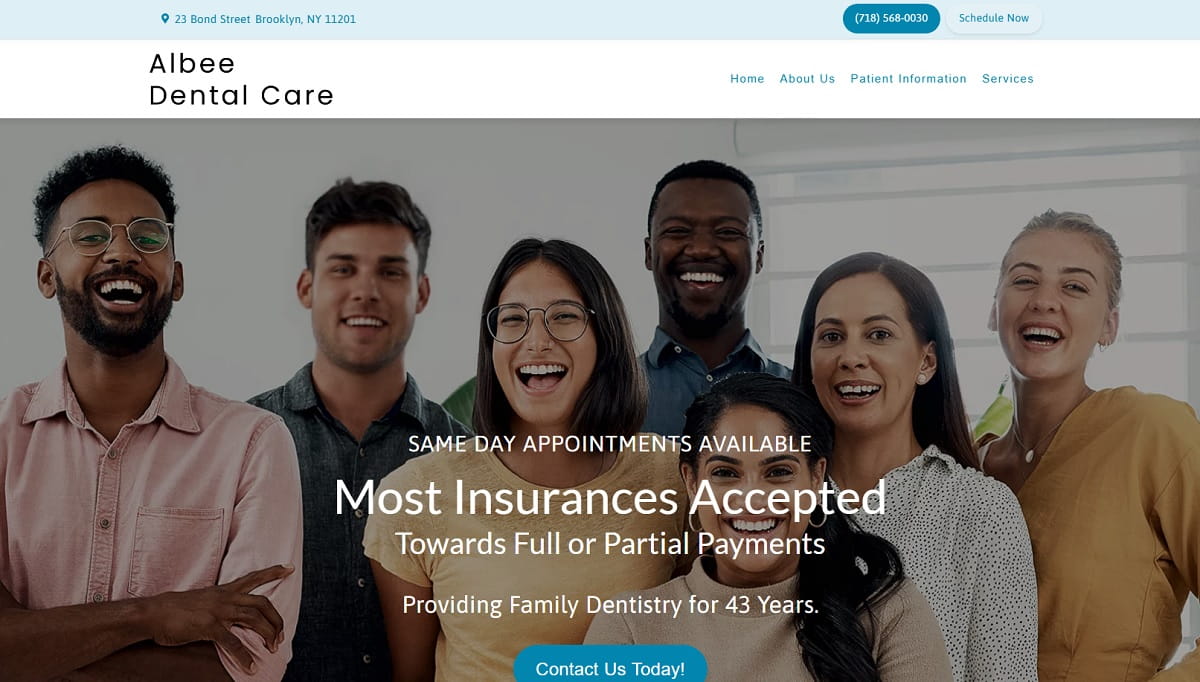
Say you own a dental clinic. Instead of sending traffic to a generic homepage, create a dedicated page for “Emergency Dental Appointments in Dallas” with symptoms, same-day booking info, proof, FAQs, and a direct call button. That is a very different experience from “Welcome to Our Clinic.”
The mistake is stuffing the page with everything you do. Too many services, too many buttons, too much text, and no obvious next step. If you want to improve this kind of page, this is exactly where a tool like Plerdy can help you study click behavior and friction points instead of guessing why users leave.
3. Start a Review Engine, Not Just a Review Request
Reviews influence search visibility, trust, and conversion all at once. That makes them one of the most affordable marketing ideas for small business growth. But asking once in a while is not a system. A review engine is. That is why good marketing ideas for small businesses often combine trust signals and conversion support instead of chasing visibility alone.
It works best for local businesses, home services, healthcare practices, agencies, coaches, and ecommerce brands with enough order volume to request feedback after key milestones.
A practical use case: a cleaning company sends a short text two hours after a completed job, thanks the customer by name, and links them to the exact review platform that matters most. Then the team follows up again two days later if the customer replied positively but did not leave a review.
The mistake is asking everyone at the wrong time. If the customer is still waiting on delivery, dealing with a support issue, or has not seen the result yet, the request feels tone-deaf. Timing matters more than fancy automation.
4. Create Before-and-After Content People Can Understand in Five Seconds
A lot of small business marketing ideas fail because they are too abstract. Before-and-after content fixes that. It shows the value clearly, fast, and without making people work too hard. Humans love contrast. They remember change. The phrase marketing small business ideas may sound broad, but before-and-after proof works because it turns abstract claims into something concrete and easy to believe.
This idea makes sense for designers, remodelers, landscapers, dentists, consultants, skincare brands, agencies, photographers, fitness studios, and even B2B service firms that improve a process or result.
For example, a bookkeeping firm could show a messy reporting workflow on one side and a simple monthly dashboard on the other, then explain what changed and what the owner gained. A web agency can do the same with homepage redesigns or checkout improvements.
The trap is posting visual transformation without context. “Look how amazing this is” is weak. Explain the business outcome: faster bookings, lower bounce rate, fewer support tickets, better average order value. That is what turns nice content into credible marketing.
5. Use Customer Referral Offers That Reward the Right Behavior
Referrals are one of the oldest small business marketing ideas, and they still work because trust transfers faster from people than from ads. But the offer has to be simple, relevant, and easy to share.
This is especially useful for service businesses, subscription brands, salons, family-focused businesses, fitness brands, pet services, and local shops with loyal customers.
A good example: a dog grooming studio gives existing customers a $20 credit when a referred friend completes their first appointment, and the new customer gets a free add-on treatment. Both sides win, and the reward is tied to an actual sale, not just a click.
The mistake is making the referral mechanic too complicated. Long instructions, hidden rules, and delayed rewards reduce participation. Also, not every business needs a discount. Sometimes early access, upgrades, or a premium add-on work better and protect margins.
6. Publish Useful Comparison Content That Helps Buyers Decide
Comparison content is one of the smartest marketing ideas for a small business because it attracts people who are already close to a decision. They are not browsing for entertainment. They are evaluating options. Honest comparison pages are still one of the sharpest marketing ideas for a small business that needs to win trust before the first conversation happens.
This works for software, agencies, clinics, service providers, ecommerce categories, education businesses, and local companies competing with alternatives or DIY solutions.
A concrete example: a flooring company could publish “Vinyl vs Laminate for Busy Households” and explain price, durability, cleaning, and installation trade-offs in plain English. A digital agency could create “Freelancer vs Agency SEO Support for Small Businesses.”
The mistake is pretending your option wins in every scenario. Buyers can smell that instantly. Real comparison content earns trust when it admits trade-offs. That honesty is often what gets the call.
7. Run Tiny Seasonal Campaigns Instead of Waiting for Big Launches
Small businesses often think campaigns need big creative ideas, custom visuals, and a month of planning. Usually they need a timely angle, a clear offer, and a reason to act now. Tiny seasonal campaigns work because they ride existing attention and give your business a natural excuse to show up again. A common mistake is treating marketing for small business ideas like evergreen plays when the real advantage here is timing.
This makes sense for retail, food, fitness, beauty, local services, ecommerce, and B2B businesses tied to budgeting cycles or seasonal demand.
A practical example: a pest control company creates a two-week “spring prevention check” campaign with a dedicated page, a short email, a local social push, and a reminder SMS to old customers. No giant rebrand. Just a relevant offer at the right time.
The mistake is being too late. A holiday campaign launched when everyone already made their purchase is mostly decoration. Build earlier than feels comfortable. Small businesses usually show up after demand peaks, then wonder why results are soft.
8. Partner With Adjacent Businesses That Serve the Same Customer
This is one of the most underrated local marketing ideas for small business growth. Partnerships let you borrow trust and reach people you would otherwise pay to access. Done right, they feel helpful rather than promotional.
It works well when there is customer overlap without direct competition. Think photographer and wedding planner. Gym and nutrition coach. Realtor and moving company. Pediatric dentist and family clinic. Boutique and local stylist.
For example, a coffee shop and an independent bookstore could run a shared “Saturday slow morning” promotion. A med spa and a skincare retailer could create an educational event with samples and booking incentives.
The mistake is choosing a partner just because they are nearby. The audience match matters more than convenience. Also, one-sided partnerships die fast. Both businesses need a clear benefit and a simple execution plan.
9. Build an Email Sequence for Leads Who Are Interested but Not Ready
Many businesses lose potential sales because they expect people to decide immediately. That is fantasy. Email works because it gives you a second, third, and fourth chance to make the case after the first visit. For many service brands, email remains one of the best marketing ideas for small business teams because it keeps warm leads moving without buying fresh traffic every week.
This makes sense for higher-consideration services, ecommerce products with longer decision windows, appointment-based businesses, and B2B companies. If people need time, email deserves a place in your mix.
A useful example: after someone downloads a pricing guide or requests a quote, they receive a short five-email sequence covering what to expect, common mistakes buyers make, a case example, a trust-building FAQ, and a direct invitation to book a call.
The common mistake is writing follow-up emails that sound like “just checking in.” Nobody waits for those. Your follow-up should reduce uncertainty, answer objections, or create confidence. Otherwise it is just inbox wallpaper.
10. Make Short-Form Video Around Real Questions Customers Ask
Yes, video is crowded. It still works. The reason is simple: a lot of businesses are still making the wrong kind of video. They post polished clips about themselves when buyers really want fast answers to specific questions.
This idea makes sense for founders comfortable on camera, service businesses, trades, consultants, clinics, ecommerce brands, and local businesses trying to build familiarity.
A practical use case: a roofer films 30-second videos answering questions like “Can you repair part of a roof or do you always replace it?” A boutique owner records quick try-on clips for body types customers actually ask about. A lawyer explains common misconceptions without trying to sound like a TV ad.
The mistake is chasing trends that have nothing to do with your buyers. Views from the wrong audience are vanity metrics with better lighting. Useful beats viral for most small businesses.
11. Rework Your Top Product or Service Page Using Real User Behavior

This is one of the strongest affordable marketing ideas for small business teams because better conversion means you get more value from traffic you already have. No new campaign can fix a page that quietly leaks intent.
It makes sense when you already get site visits but too few inquiries, orders, bookings, or calls. Local businesses, SaaS companies, ecommerce stores, and service firms all run into this.
For example, an online store may discover shoppers repeatedly click delivery details that are buried too low on the page. A clinic may learn users hesitate because insurance info is missing until the footer. A CRO tool such as Plerdy can help spot these patterns through heatmaps, click tracking, and session behavior analysis.
The mistake is redesigning based on taste alone. “Cleaner” does not always mean better. You need evidence. Sometimes the ugly old section is doing the heavy lifting because it answers the question buyers care about.
12. Offer a Small, Easy First Step Instead of Pushing the Full Sale
Not every prospect is ready for the full commitment. A low-friction first step can unlock demand that would otherwise disappear. This works because it reduces risk and makes the next action feel manageable.
This idea makes sense for expensive services, first-time purchases, custom quotes, or offers that require trust before commitment. It is especially useful when your audience is cautious.
A real-world example: instead of pushing a full website retainer, an agency offers a paid homepage teardown. Instead of demanding a yearly gym plan, a fitness studio offers a seven-day form and mobility assessment. Instead of asking for a full kitchen remodel consultation, a contractor starts with a paid planning visit.
The mistake is making the first step too cheap, too vague, or too disconnected from the main sale. The entry offer should screen serious buyers and logically lead into the bigger service.
13. Create Local Micro-Content Around Neighborhoods, Events, and Specific Use Cases

Broad content is hard to rank and easy to ignore. Local micro-content is the opposite. It feels more relevant, it can capture smaller searches with stronger intent, and it gives your business local texture that generic brands cannot fake. This section proves that small business marketing ideas do not need mass reach to produce high-intent leads and better-fit inquiries.
This is one of the best creative marketing ideas for small business owners serving a city, suburb, or region. It also works for franchise-style service areas and destination retailers.
For example, a cleaning service could publish short pages or posts like “Move-Out Cleaning in Uptown Dallas” or “How To Prep Your Home Before a Deep Clean in Highland Park.” A florist could build content around wedding venues, not just “wedding flowers.”
The mistake is mass-producing thin location pages with swapped city names. Google has seen that movie. The content needs local relevance, real details, and a reason the page exists beyond ranking bait.
14. Turn Happy Customers Into Repeat Buyers With Simple Post-Purchase Marketing
Many businesses obsess over acquisition and ignore the easier money already sitting in their customer base. Post-purchase marketing works because people who already bought from you need less persuasion, less education, and less trust-building. In many categories, these follow-ups outperform flashy promotional ideas for small businesses because they build on trust the brand has already earned.
This makes sense for ecommerce, beauty brands, food businesses, pet brands, maintenance services, education products, and any company with reorder, refill, renewal, or expansion potential.
A good example: after a customer buys office furniture, the business sends follow-up content about setup tips, care recommendations, and related accessories two weeks later. A skincare brand times replenishment reminders based on product usage. A service business offers seasonal maintenance before the customer remembers the problem.
The mistake is making every follow-up a discount. That trains customers to wait. Sometimes the better move is education, cross-sell logic, timing, or a VIP perk that keeps value high.
15. Build One Signature Asset People Remember and Share
A signature asset is something distinctive your brand becomes known for. Not a logo. Not a slogan you copied from three other websites. Something useful, specific, and memorable. This can be a checklist, calculator, visual guide, quiz, template, annual local report, or interactive tool.
This is more of a longer-term strategy, but it can become a powerful moat. It makes sense for businesses trying to stand out in crowded categories or create more direct traffic, backlinks, and word-of-mouth over time.
For example, a small accounting firm could create a “Quarterly Tax Deadline Cheat Sheet for Local Business Owners.” A furniture brand could publish a room measurement planner. A CRO and SEO brand like Plerdy naturally fits this model because diagnostic tools and educational resources can attract attention while solving real problems.
The mistake is building something clever that nobody actually wants. Signature assets work when they remove friction, save time, or answer a recurring question better than everyone else.
Common Small Business Marketing Mistakes That Waste Time and Budget
Most bad marketing does not fail because the tactic was terrible. If a founder searches marketing idea small business and copies the first tactic they see, the real failure usually comes from weak execution rather than the channel itself. It fails because the business used it badly, too early, or without support around it.
- Trying too many channels at once. Three half-run tactics usually lose to one well-run channel.
- Copying big-brand marketing. Big companies can afford vague branding. Small businesses usually cannot.
- Ignoring the offer. Even strong traffic will not save a weak, boring, or confusing offer.
- Sending traffic to weak pages. Campaign quality and landing page quality rise or fail together.
- Not following up. A shocking number of businesses respond too slowly or not at all.
- Measuring vanity metrics. Views, likes, and impressions matter less than calls, leads, orders, and repeat purchases.
- Quitting too early. Some channels are fast. Others need consistency before they become obvious wins.
If there is one practical rule worth keeping, it is this: do not judge a marketing idea in isolation. Judge the full chain. Message, audience, offer, page, follow-up, and timing. That is where results are usually won or lost.
Conclusion
The best marketing ideas for small business growth are not always the newest ones. In practice, the best small business marketing ideas are the ones you can measure, repeat, and improve without stretching your team too thin. Usually, they are the ones you can execute well, repeat consistently, and improve with real feedback. Start with one or two ideas that match your business model, your current stage, and your actual bandwidth. Run them properly. Learn fast. Then scale what earns attention and sales instead of what merely looks active.
FAQ
What Are the Best Marketing Ideas for Small Business Owners With a Low Budget?
Some of the strongest low-cost options are Google Business Profile optimization, review generation, referral programs, local micro-content, simple email follow-up, and conversion improvements on pages that already get traffic. These usually outperform random ad spend when budgets are tight. That is also why repeatable, low-friction tactics continue to rank among the best small business marketing ideas for owners who need efficiency before scale.
Which Small Business Marketing Ideas Work Fastest?
Fastest usually means tactics tied to existing demand: local search visibility, referral asks, better landing pages, reactivation emails, and time-sensitive campaigns. Content marketing can work too, but it is rarely the quickest path unless the topic has strong buyer intent.
What Are Good Local Marketing Ideas for Small Business Growth?
Good local plays include optimizing your Google Business Profile, collecting location-relevant reviews, partnering with nearby complementary businesses, creating neighborhood-specific pages or posts, sponsoring targeted community events, and using local offers that fit seasonal demand.
How Many Marketing Channels Should a Small Business Focus On?
Usually one primary channel and one supporting channel is enough at the start. For example, local search plus reviews, or paid ads plus a strong email follow-up sequence. Too many channels create shallow execution and muddy results.
How Do I Know If a Marketing Idea Is Actually Working?
Track business outcomes, not just activity. Look at qualified leads, booked calls, sales, repeat orders, response rate, cost per acquisition, and conversion rate. If traffic is rising but revenue is not, the issue may be the offer, page, or follow-up rather than the channel itself.