

Google AI Overviews and AI Mode have made one SEO problem more visible: many pages rank, but they still do not answer well. A user may now see a summary, compare options, ask a follow-up question, and leave without opening five tabs. That does not mean SEO is dead. It means weak pages are easier to skip. This checklist is for website owners who need practical fixes, not another long speech about artificial intelligence. Before publishing ten new blog posts, check the pages you already have. Their structure, examples, trust signals, and clarity may decide whether AI search understands your content or quietly ignores it.
What Changed With AI Search In Google?
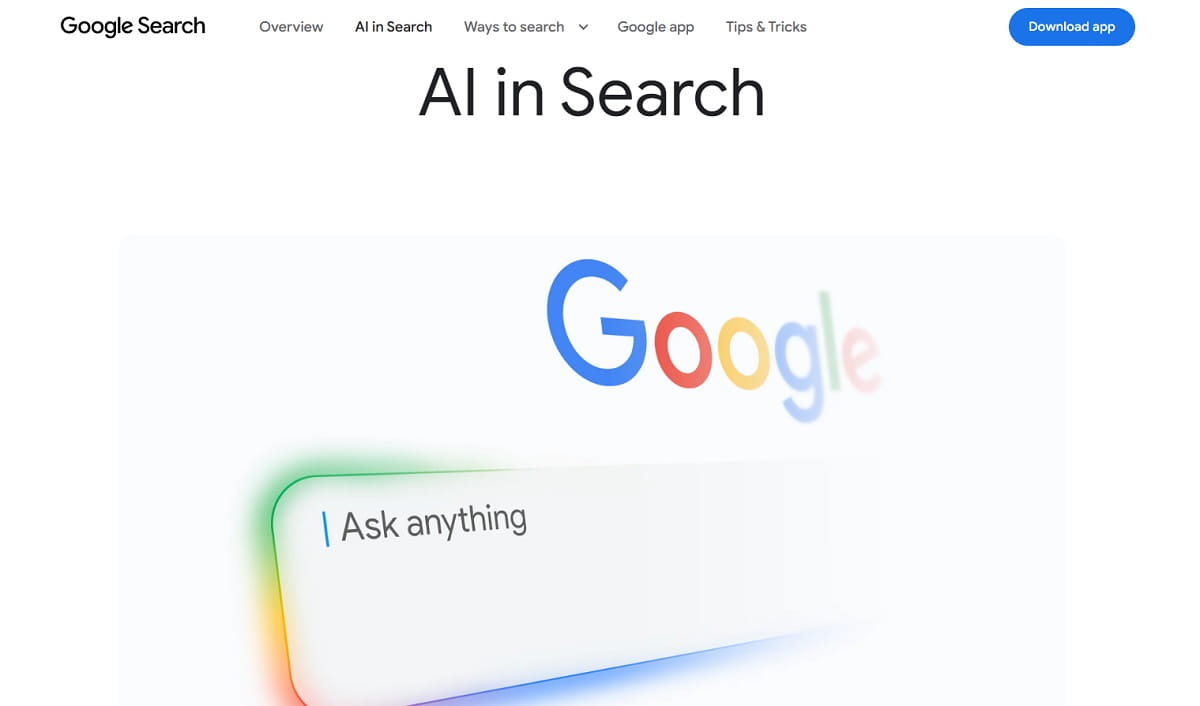
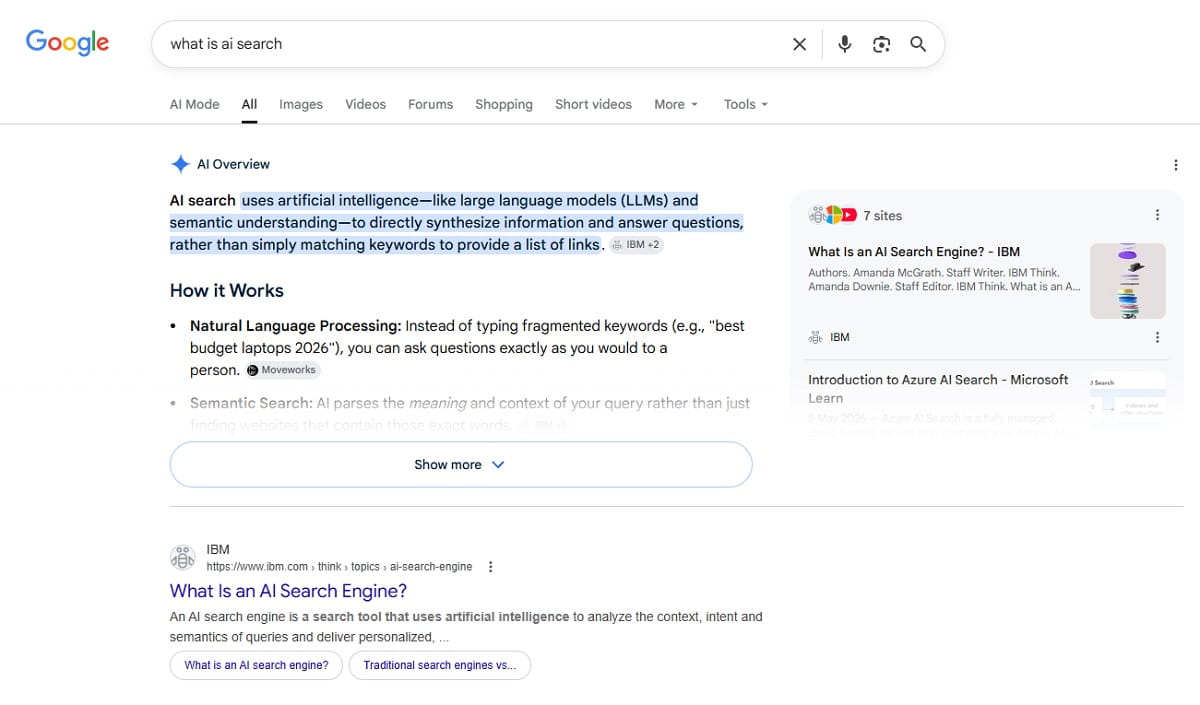
Google Search is no longer only a list of blue links. AI Overviews can summarize an answer directly on the results page, while AI Mode gives users a more conversational way to explore a topic. For website owners, this changes the value of visibility. Ranking still matters, but it is not the whole story anymore. Your page also needs to be clear enough, useful enough, and trustworthy enough to be summarized or referenced inside an AI-generated search answer.
Think about a SaaS buyer searching for “best heatmap tool for eCommerce.” In the old search flow, they might open five comparison pages. In AI search, they may first see a summarized list of features, use cases, and tool categories. If your page says the same general words as every competitor, it gives AI search little reason to use it. If your page has clean sections, product screenshots, pricing context, real examples, and direct explanations, it becomes easier to understand.
This is the practical shift. SEO for AI search is less about adding more words and more about making each important page easier to read, verify, compare, and trust.
Why Old SEO Tactics Are Getting Weaker
Old SEO tactics worked better when search engines mostly matched pages to keywords and links. That part still exists, of course. But AI search can compare many sources quickly and compress them into a short answer. So repeated phrases, shallow paragraphs, and generic rewritten content look weaker than before.
Keyword stuffing SEO is especially risky now. A page that repeats “AI search SEO” twenty times but says nothing specific is not more helpful. It is just louder. AI search optimization needs language that matches the topic, but the page still has to solve something. A service page should explain who the service is for. A SaaS page should show product context. An eCommerce category page should help people choose, not just list products and repeat category keywords.
Website owners should reduce these outdated habits:
- Repeating the same keyword phrase in every paragraph.
- Copying competitor headings without adding better examples.
- Publishing thin listicles where every tool description sounds identical.
- Writing long introductions that delay the real answer.
- Using vague claims like “powerful solution” without proof.
- Adding FAQ blocks with answers that say almost nothing.
The uncomfortable part is simple: AI search makes average content feel even more average. It can compare pages fast. It can spot when ten articles are saying the same thing with different wording.
What Website Owners Should Fix First
Fix Pages That Answer Nothing Clearly
Start with pages that get impressions but poor clicks, weak engagement, or no conversions. Open the page and ask one boring but useful question: does this page answer the search intent in the first few sections? Many SEO pages hide the answer under a fluffy intro, brand story, or repeated keyword block. That hurts both users and AI-generated search answers.
What to check: title, H1, first paragraph, first H2, and any section that should give the direct answer. If the page is about “CRM alternatives,” users should quickly understand who each alternative fits, what it does better, and where it is weaker.
Example: a SaaS landing page for session replay software should not start with “User behavior is important for business growth.” It should explain what the tool records, what teams use it for, and which problems it helps fix, such as rage clicks, broken forms, or confusing checkout steps.
Add Original Examples And Real Experience
AI Overviews SEO is not only about structure. It also depends on information quality. Original examples, expert notes, and real observations give your page something competitors cannot copy in five minutes. This is where many websites fail. They publish correct but empty content.
What to check: does the page include examples from your own product, clients, website audits, support tickets, experiments, or niche experience? Even small details help. A marketer saying “we saw users skip the color selector because it was placed below the fold” is more useful than another generic sentence about UX.
Example: an eCommerce SEO article can show how a category page improved after adding size guidance, delivery notes, comparison filters, and short buying advice. That is more helpful than saying “optimize your product pages.”
Use Screenshots, Visual Proof, And Product Context
Screenshots are not decoration. They help users trust the page and understand the advice faster. They also show that your content is based on something real. For a product-led company, screenshots can explain features better than another paragraph.
What to check: does the page show what you are talking about? If you mention an SEO audit, show an audit screen. If you mention checkout friction, show the type of UX issue. If you compare tools, show feature context rather than only logos.
Example: a blog post about on-page SEO audit can include screenshots of missing meta descriptions, weak H2 structure, repeated title tags, or thin content blocks. A service website can add before-and-after examples from a landing page rewrite. It does not need to be fancy. It needs to be real.
Structure Content So AI And Users Can Understand It
Structured content SEO matters more when search experiences summarize information. AI search needs clear sections, but humans need the same thing. A messy article with random H2s, long paragraphs, and buried answers makes every reader work too hard.
What to check: does each H2 cover one clear idea? Do H3s break large sections into useful parts? Are there short answer blocks, lists, examples, and internal links where they help? You do not need to turn every page into a Wikipedia entry. You just need clean logic.
Example: a blog post about “how to optimize for AI search” can separate technical SEO, content quality, author trust, internal links, examples, and page refresh. When everything sits in one giant section, the page feels heavy and less extractable.
Refresh Old SEO Pages Before Publishing New Ones
Many website owners keep publishing because it feels productive. But old pages often have more potential. They already have history, backlinks, impressions, and internal links. If they are outdated or thin, fixing them may bring faster results than creating a new page from zero.
What to check: find pages with declining traffic, outdated years in titles, old tool lists, missing screenshots, weak intros, and thin FAQ sections. Update them with current search intent, better examples, clearer answers, and stronger structure.
Example: a 2024 article called “Best SEO Tools” may still rank, but if it has old pricing notes, short tool descriptions, and no comparison logic, it looks tired. Refresh the tools, add who each tool is best for, include screenshots where possible, and remove generic claims.
Remove Thin Paragraphs And Repeated Keyword Blocks
Thin paragraphs are not always short. A 120-word paragraph can still be thin if it says nothing. Repeated keyword blocks are worse because they make the page feel written for a crawler from ten years ago. AI search ranking factors are not public in a simple checklist form, but content that lacks substance is clearly a bad bet.
What to check: highlight every paragraph that could appear on any competitor site without changing a word. Rewrite or remove it. Keep the sentence if it adds a specific point, example, warning, or decision rule.
Example: replace “Our platform helps businesses improve SEO performance with advanced features” with “Use the SEO report to find missing H1 tags, weak meta descriptions, duplicate titles, and pages where important keywords appear in the body but not in headings.” The second sentence gives a real action.
How To Make Content Easier For AI Search To Understand
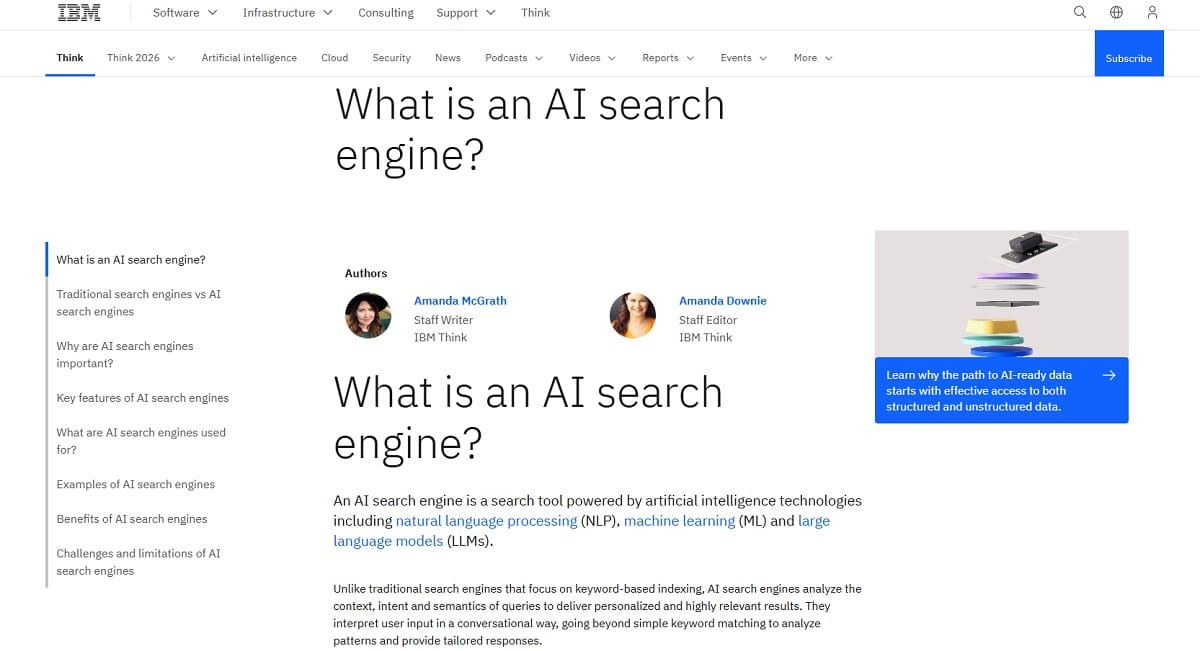
Good AI search optimization starts with making the page easy to parse. This does not mean writing robotic “answer engine” content. It means giving the page a clean shape. A reader should be able to scan the article and understand what each section does. AI systems benefit from the same clarity.
Use a clear H2 and H3 hierarchy. Add short answer blocks near the top of important sections. Use comparison tables when users need to compare tools, plans, features, or use cases. Add step-by-step lists for processes. Use definitions for terms that may confuse beginners. Add FAQ blocks for long-tail questions. Link internally to related pages that expand the topic.
Schema can help where it matches the visible content, but do not treat it like magic. FAQ, article, product, review, and breadcrumb markup can support structure, but weak content with schema is still weak content. The visible page has to be useful first.
A practical structure for a service page may include: who the service is for, problems solved, process, examples, proof, pricing logic, FAQ, and next step. A product page may include: use cases, feature screenshots, benefits, limits, integrations, comparison points, and support details. A blog post may include: direct answer, explanation, examples, checklist, mistakes, and FAQ.
Where Plerdy SEO Analyzer Fits Into This Checklist
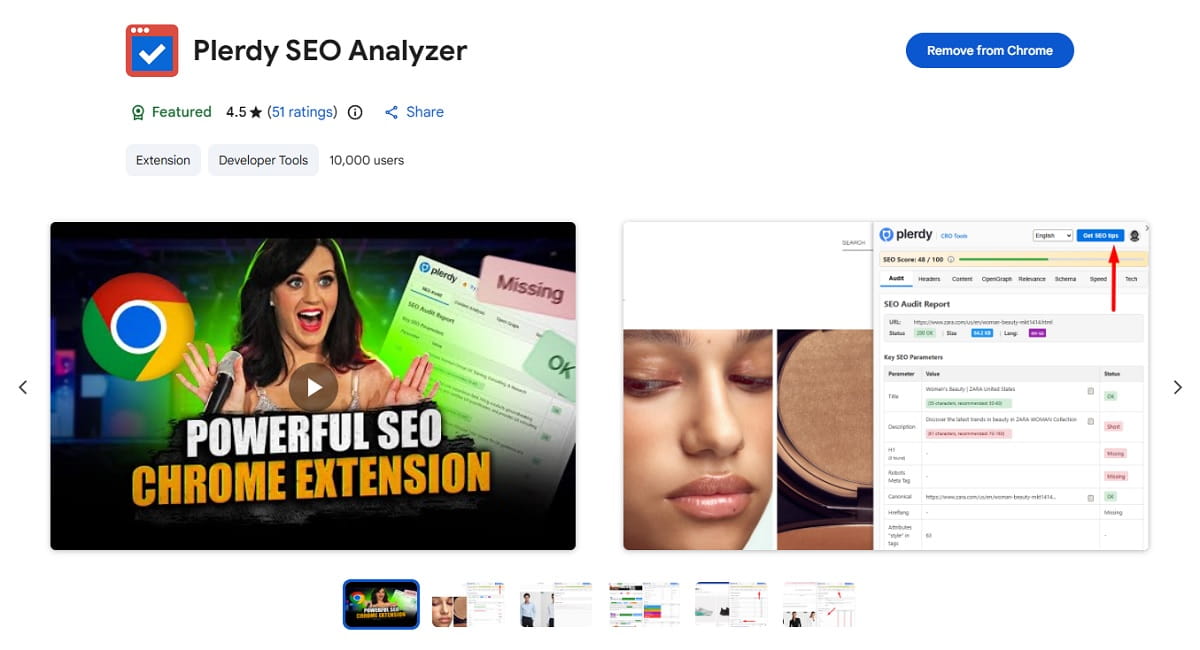
Plerdy SEO Analyzer helps website owners move from “this page feels weak” to specific on-page SEO audit tasks. It can support checks around title and meta description, H1 and H2 structure, missing SEO elements, keyword signals, content issues, technical SEO warnings, page-level SEO problems, and duplicate or weak optimization signals.
This is useful because AI Mode SEO still depends on strong SEO basics. A page with a messy title, missing headings, weak structure, and unclear content signals is already starting from a bad place. Plerdy SEO Checker can help you find those issues before you spend time rewriting everything.
- Open the page you want to improve.
- Run it through Plerdy SEO Analyzer.
- Check title, meta description, headings, and on-page SEO warnings.
- Compare the page structure with the search intent.
- Rewrite weak parts with clearer answers, examples, and useful sections.
A simple example: you audit an old blog post about “SEO checklist for website owners.” Plerdy shows weak headings, missing meta optimization, and thin keyword signals. You then update the H1, rewrite the intro, add a checklist, include examples from SaaS and eCommerce, and add internal links to related SEO audit pages. That is a real fix, not cosmetic SEO.
Practical AI Search SEO Checklist
Use this checklist before you create more content. It is less exciting than a new blog calendar, yes. It is also usually more useful.
- Check whether the page answers the main query in the first visible sections.
- Rewrite vague introductions that delay the real answer.
- Make the H1 specific and aligned with the search intent.
- Use H2s and H3s to separate clear ideas, not random keyword variations.
- Add original examples from your product, market, client work, or website audits.
- Include screenshots where they prove a point or explain a feature.
- Remove repeated keyword blocks that do not add meaning.
- Update old statistics, tool lists, pricing notes, and outdated screenshots.
- Add comparison sections where users need help choosing between options.
- Use short lists for processes, checks, and decision rules.
- Add FAQ answers that directly match long-tail search questions.
- Link to related pages that support the same topic cluster.
- Check technical SEO basics, including indexability, page speed, broken links, and mobile layout.
- Review title tags and meta descriptions for clarity, not only keyword usage.
- Show author or company expertise where trust matters.
- Use Plerdy SEO Analyzer to catch page-level SEO problems before rewriting.
- Monitor impressions, clicks, engagement, and conversions after updates.
Common Mistakes Website Owners Still Make
The first mistake is copying competitor headings and calling it strategy. Competitor analysis is useful, but only if you find gaps. If every article has “What Is AI Search SEO?” and you add the same section with the same answer, nothing improves. Add a clearer explanation, a better example, or a sharper checklist.
The second mistake is adding keywords without proof. A page may include AI search SEO, Google AI Overviews, AI search optimization, and structured content SEO, but still feel empty. Keywords help describe the topic. They do not replace experience.
Another common mistake is publishing AI-like text without editorial review. You can usually spot it fast: smooth sentences, no tension, no examples, no small details, no opinion. It feels clean but strangely forgettable. For SEO content quality, that is a problem.
Website owners also hide important answers too low on the page. A user asks “Can this tool work for Shopify stores?” and the answer sits near the bottom after six generic sections. Move useful answers higher. AI-generated search answers also need clear, easy-to-find information.
Screenshots are often forgotten. This is strange because a simple screenshot can prove more than a polished paragraph. For SaaS, eCommerce, and analytics products, visual proof matters. Show the report, the dashboard, the issue, the filter, the alert, or the page example.
The last mistake is ignoring old pages. Many sites have articles that once worked but now look thin compared with current search intent. Those pages are not dead. They are waiting for a proper website content audit.
What To Do Next
Use a short 7-day plan. Keep it practical and a little strict.
- Day 1–2: Audit your top SEO pages by impressions, traffic decline, and business value.
- Day 3–4: Fix structure, rewrite weak intros, improve H2s, and add direct answer blocks.
- Day 5: Add original examples, screenshots, product context, and real observations.
- Day 6: Check the updated pages with Plerdy SEO Analyzer and fix on-page SEO warnings.
- Day 7: Update internal links, submit important pages for indexing where needed, and monitor performance.
After that, repeat the process for the next group of pages. This is not glamorous work, but it is the kind of SEO work that survives changes in search layout better than thin publishing.
FAQ
What Is AI Search SEO?
AI search SEO is the process of improving pages so they can perform in classic Google results and AI-generated search experiences. It focuses on clear answers, structured content, technical SEO, trust signals, original examples, and useful information that AI search can understand and users can trust.
How Do AI Overviews Change SEO?
AI Overviews can answer part of the user’s query directly in Google Search. This means a page needs to do more than rank. It should provide clear, trustworthy, well-structured information that can be summarized, referenced, or used to support a helpful answer.
Can Keyword Stuffing Still Help With AI Search?
Keyword stuffing is a weak tactic for AI search optimization. Relevant keywords still matter, but repeated phrases without useful information can make a page look low quality. Use natural keyword variants, then support them with examples, clear sections, screenshots, and direct answers.
How Can Website Owners Optimize For AI Mode?
Website owners can optimize for AI Mode by improving existing pages first. Fix unclear answers, weak headings, thin content, missing examples, poor internal links, and technical SEO issues. Pages should help users continue a deeper search journey, not only answer one simple keyword.
What Content Is More Likely To Appear In AI Overviews?
Content that is clear, specific, trustworthy, and easy to summarize has a better chance of being useful for AI Overviews. Strong pages often include direct answers, clean headings, original examples, expert input, comparison details, screenshots, FAQ sections, and accurate supporting information.
How Can Plerdy SEO Analyzer Help With AI Search SEO?
Plerdy SEO Analyzer helps check page-level SEO issues before you rewrite or expand content. It can support audits of titles, meta descriptions, headings, keyword signals, missing SEO elements, technical warnings, and weak optimization patterns that may hurt visibility in Google AI search results.
Should I Rewrite Old SEO Pages For AI Search?
Yes, old SEO pages are often the best place to start. They may already have rankings, impressions, backlinks, and internal links. Refresh them with better structure, updated examples, clearer answers, screenshots, and stronger search intent coverage before publishing more new content.
Conclusion
AI Search does not kill SEO. It punishes weak, generic, badly structured pages faster. That is a different problem, and honestly, a fixable one. Website owners should not rush to publish more content just because AI Overviews and AI Mode changed the search page. Start with current pages. Make answers clearer. Add real examples. Improve structure. Remove empty keyword blocks. Use screenshots when they help. Then check the page with Plerdy SEO Analyzer and fix the boring on-page issues that quietly reduce visibility.