

Small businesses do not lose because they lack ideas. They lose because they spread themselves too thin, copy louder competitors, and spend time on marketing that looks busy but does not move anything. A few smart moves, done consistently, usually beat a dozen random tactics.
The good news is that you do not need a giant budget or a full in-house team to market well. You need a clear offer, the right message, and a system for getting in front of people who are already close to buying. That is where most small businesses either grow steadily or stall out.
This guide breaks down 10 marketing strategies that are actually useful for small businesses. In practice, the most sustainable marketing strategies for small business are the ones a lean team can repeat without losing focus. Not trendy for a week. Not built for billion-dollar brands. Useful. Practical. Measurable. The kind of work that helps you get more leads, more repeat customers, and better results from the traffic you already have.
1. Pick A Narrow Positioning Before You Spend On Promotion

A lot of small businesses start marketing too early. They run ads, post on social media, and write random content before they can answer one simple question: why should someone choose them instead of the dozen other options on the page?
Positioning is not a slogan. A strong marketing strategy for small business starts here, because weak positioning makes every later channel harder to scale. It is the decision about who you are for, what specific problem you solve, and what makes your offer feel easier, safer, faster, or more appealing than the alternatives.
What This Looks Like In Practice
A generic local bakery says, “Fresh baked goods for every occasion.” That is fine, but forgettable. A sharper version says, “Custom low-sugar celebration cakes for busy parents in Dallas.” This is one of the clearest examples of marketing strategies for small business because better positioning improves every message that comes after it. Now the audience is clearer, the use case is clearer, and the business becomes easier to remember.
The same logic works for service businesses, online stores, agencies, fitness studios, repair shops, and almost everything else. That is one reason marketing strategies for small businesses work better when the offer is specific enough to be remembered. A specific business is easier to recommend, easier to search for, and easier to trust.
Common Mistake
Trying to appeal to everyone. Small businesses often think broad messaging means more opportunity. Usually it means weaker conversion. When your message is too wide, nobody feels like you are speaking directly to them.
How To Apply It
- Define your best-fit customer, not your average customer.
- Choose one or two core pain points you solve better than others.
- Write a homepage message that says what you do, for whom, and why it matters.
- Check whether your ads, bios, and landing pages all say roughly the same thing.
Even a short list of marketing strategies for small business becomes far more effective once the audience and problem are clearly defined.
If your positioning is fuzzy, every other marketing strategy gets harder and more expensive.
2. Build A Website That Converts, Not Just One That Exists

Many small businesses have a website, but that does not mean the site is doing any real marketing work. It may look decent and still quietly leak leads every day.
Your website should answer basic questions fast: what do you offer, who is it for, why trust you, and what should the visitor do next? If those answers are hidden, buried, or vague, traffic will come and leave.
What Matters Most On A Small Business Website
- A clear headline above the fold.
- A visible call to action.
- Proof such as reviews, case studies, before-and-after examples, or client logos.
- Simple navigation.
- Fast load speed on mobile.
- Pages built around real buyer questions, not company jargon.
This is where many businesses overfocus on design trends and underfocus on conversion basics. Fancy motion effects do not rescue weak messaging.
How To Improve Performance
Watch where users hesitate, drop off, or stop scrolling. Tools like Plerdy can help small businesses see how people behave on key pages instead of guessing why a form underperforms or why a product page gets traffic but no sales. That kind of visibility matters more than opinions in a meeting.
Measure contact form completion, click-through rate on calls to action, bounce rate on service pages, and conversion rate by traffic source. A pretty site is nice. A focused homepage is a practical marketing strategy example for small business owners who want more leads without buying more traffic. A site that turns interest into action is far more useful.
3. Invest In Local SEO If You Serve A Specific Area
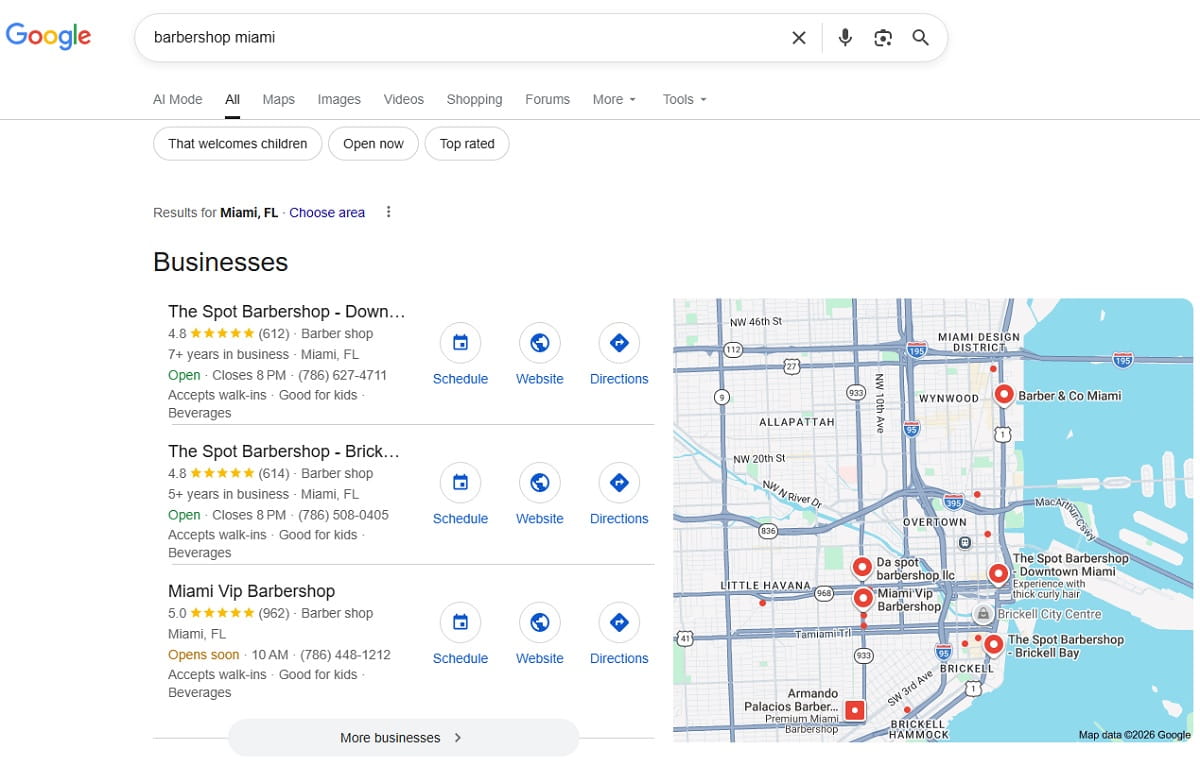
If your business depends on customers in a city, district, or service area, local SEO is not optional. It is one of the highest-return marketing channels available to small businesses because it captures intent at the exact moment people are looking.
Someone searching “emergency plumber near me” or “best dog groomer in Plano” is not browsing for entertainment. They are trying to solve a problem now. That is valuable traffic. Among different marketing strategies for small business, local SEO stands out because it captures intent instead of trying to manufacture it.
Where To Start
- Claim and fully optimize your Google Business Profile.
- Keep your business name, address, and phone number consistent across directories.
- Collect real reviews and respond to them.
- Create local landing pages if you serve multiple areas.
- Use location-specific terms naturally on your site.
Nuance That Gets Ignored
Local SEO is not just about stuffing city names into headings. Google is much better than that now. You need useful pages, trusted business information, and signals that people actually choose your business.
A mediocre page titled “Best Dentist In Chicago” with no depth, proof, or trust signals will not do much. A strong page that explains services, shows reviews, includes FAQs, and makes booking easy has a real chance.
How To Measure It
Track calls, direction requests, form submissions, map visibility, branded searches, and rankings for service-plus-location queries. Good local SEO tends to compound over time, which is why it often beats short-term marketing bursts.
4. Use Content To Answer Buying Questions, Not Just To Fill A Blog
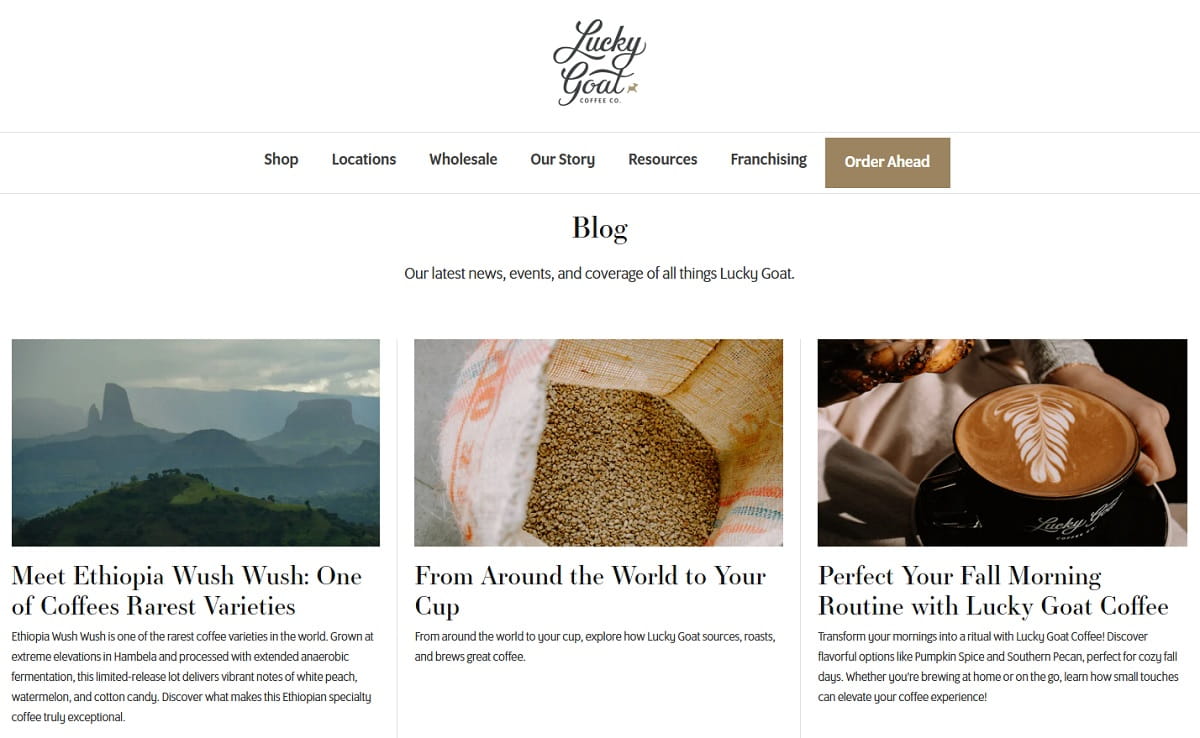
Content marketing is still one of the best long-term strategies for small businesses, but only when the content is tied to real customer decisions. A blog full of generic tips nobody asked for is not a strategy. It is decoration.
The most useful content usually sits close to the buying moment. People search for comparisons, pricing questions, use cases, mistakes to avoid, timelines, and expectations. That is where trust is built.
Content Topics That Usually Work
- How much does it cost?
- What should I expect before buying?
- What is the difference between option A and option B?
- What mistakes should I avoid?
- Is this right for my situation?
A landscaping company could write “How Much Does Weekly Lawn Care Cost In Dallas?” A bookkeeping firm could publish “When Should A Small Business Hire A Bookkeeper Instead Of Doing It In-House?” Those topics are not glamorous, but they attract serious readers. They also rank among the most practical marketing strategies for small business examples because they build trust before the first sales conversation.
Common Mistake
Writing for keywords only, without helping the reader make a decision. You may get some traffic that way, but weak content rarely builds trust and often fails to convert.
The better approach is simple: write the article your sales team wishes every prospect had read before the first call.
5. Build An Email List Early And Treat It Like An Asset
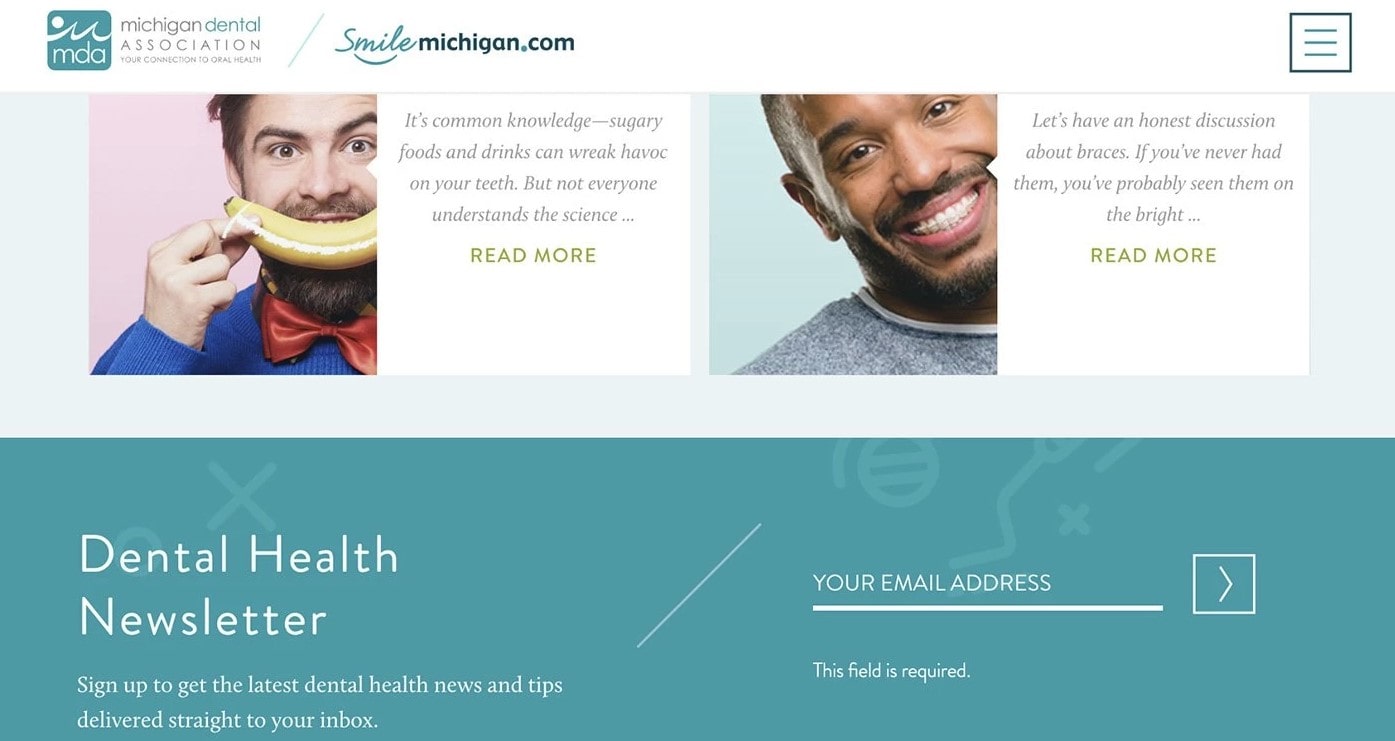
Social media reach changes. Ad costs rise. Search rankings move. Your email list is one of the few marketing assets you can actually control. For many brands, email remains one of the most dependable small business marketing strategies because it supports retention as well as first-time conversion.
For small businesses, email works especially well because it supports both first-time conversion and repeat purchases. It lets you follow up, educate, promote, remind, and recover attention without paying for every click again.
What To Send
Not every email needs to be a sale. In fact, nonstop promotions are a fast way to get ignored. Useful email content often includes:
- Product education.
- Seasonal advice.
- Limited, relevant offers.
- Customer stories.
- New arrivals or service updates.
- Reminders tied to timing or usage.
A pet groomer can send seasonal coat-care tips. A home cleaning service can send a pre-holiday booking reminder. A small online shop can send a cart recovery email followed by a product comparison email and then a real offer.
What Small Businesses Get Wrong
They wait too long to collect emails or only ask after the sale. Start earlier. Use signup forms, lead magnets, quote requests, booking flows, and checkout steps to build the list steadily.
What To Measure
Track open rate, click rate, unsubscribes, revenue per campaign, and assisted conversions. More importantly, segment your list. Someone who just discovered your business should not get the same message as a repeat buyer.
6. Turn Customer Reviews Into A Core Marketing System
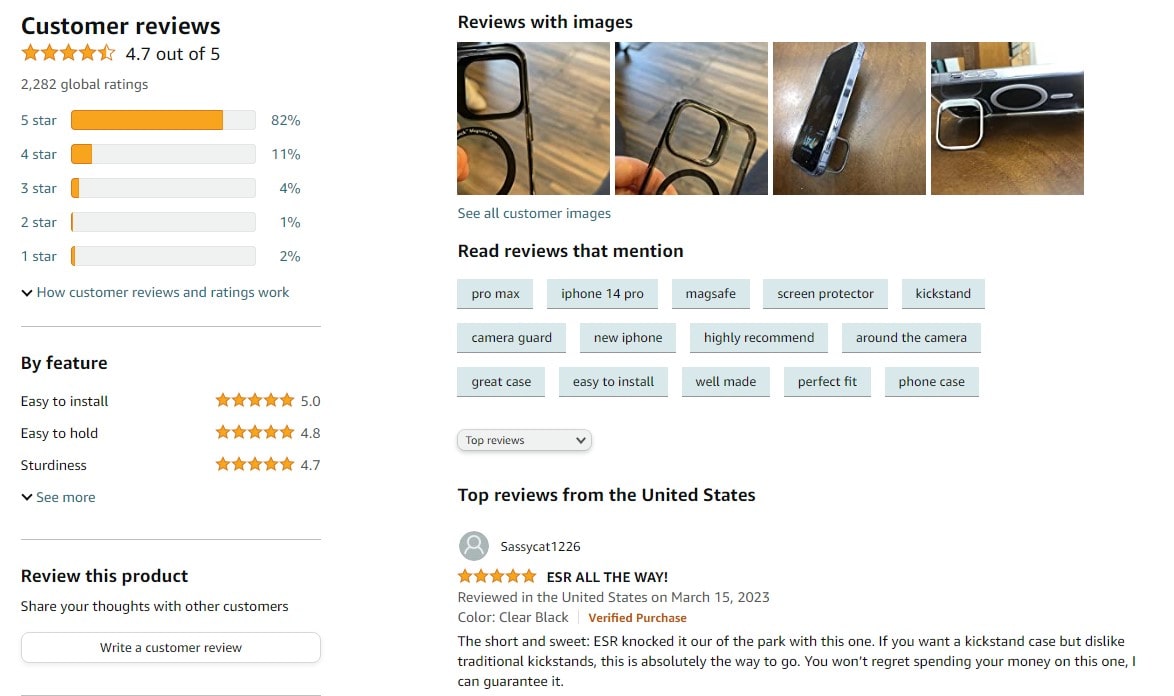
Reviews are not just reputation signals. They are marketing assets. In real markets, marketing strategies small business owners trust most often include reviews because social proof reduces hesitation fast. They reduce doubt, improve local visibility, strengthen landing pages, and often influence buyers more than polished brand copy ever will.
For small businesses, reviews carry extra weight because people know they are taking more of a leap with a lesser-known brand. Proof matters.
How To Get More Reviews Without Making It Weird
Ask at the right moment, not randomly. The best time is usually right after a successful delivery, completed service, positive support interaction, or clear win.
- Make the request simple and direct.
- Send a short review link by email or text.
- Train staff to ask naturally.
- Follow up once, not five times.
Use Reviews Beyond Google
Pull strong review language into your website, ad copy, proposals, sales materials, and product pages. Customers often describe your value more clearly than you do. Pay attention to repeated phrases. They can sharpen your messaging.
Mistake To Avoid
Only collecting reviews and never using them. If dozens of people praise your fast turnaround, make that visible on your site. If customers always mention patient service, that belongs in your positioning.
7. Create Simple Referral Loops Instead Of Hoping Word Of Mouth Happens
Most small businesses say referrals are important. Fewer build an actual system for generating them. That is a miss, because referrals usually convert faster and with less friction than cold traffic.
Word of mouth works better when it is supported, timed, and easy to act on. That is why referral systems belong in the mix of marketing strategies small businesses can run without a massive media budget.
What A Referral System Can Look Like
- Ask happy customers for one introduction after a successful result.
- Create a small thank-you incentive where appropriate.
- Partner with adjacent businesses that serve the same audience.
- Give customers a simple message, link, or offer they can share.
A wedding photographer can partner with florists and venues. A physical therapist can connect with trainers and orthopedic clinics. A web designer can build referral relationships with copywriters and paid media consultants. Small businesses grow faster when they borrow trust from aligned partners.
The Real Nuance
Referral programs fail when they feel transactional or forced. Nobody wants to feel like a commission machine. Focus on relevance, timing, and ease. Make the recommendation feel helpful, not awkward.
Track which clients, partners, or channels drive the best referrals. Some sources may bring fewer leads but much better customers.
8. Use Paid Ads Carefully, With Tight Offers And Clear Intent
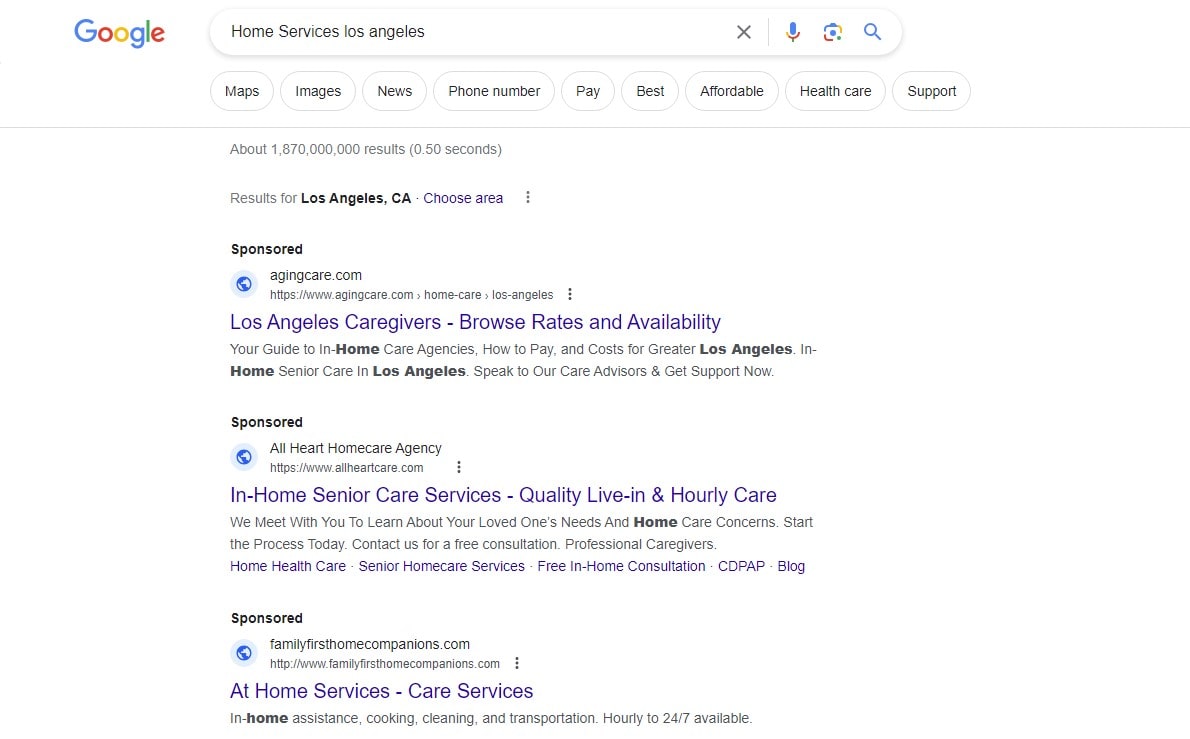
Paid advertising is not bad for small businesses. Sloppy paid advertising is bad for small businesses. There is a difference.
Ads work best when you already know your audience, your offer is specific, and your landing page does not waste the click. That matters because marketing plans for small business break down quickly when paid traffic lands on vague pages. Too many small businesses boost posts, run broad campaigns, and then decide ads do not work. That conclusion is often premature.
Where Paid Ads Make Sense
- Search ads for high-intent service queries.
- Retargeting for people who visited key pages but did not convert.
- Social ads tied to a clear offer, event, lead magnet, or product bundle.
Search ads are often strong for urgent or bottom-funnel needs. Social ads are usually better for generating awareness, interest, or demand around a compelling angle. Mixing those up leads to waste.
Common Mistakes
- Sending ad traffic to a generic homepage.
- Using broad targeting with vague messaging.
- Running too many creatives before proving one offer works.
- Judging performance too quickly without enough data.
How To Improve Results
Start with one audience, one offer, and one landing page. Keep the promise in the ad consistent with the page. Measure cost per lead, cost per sale, and lead quality, not just clicks. Plenty of campaigns generate traffic and still lose money. That is not a marketing win.
9. Show Up Consistently On One Or Two Channels, Not Everywhere At Once
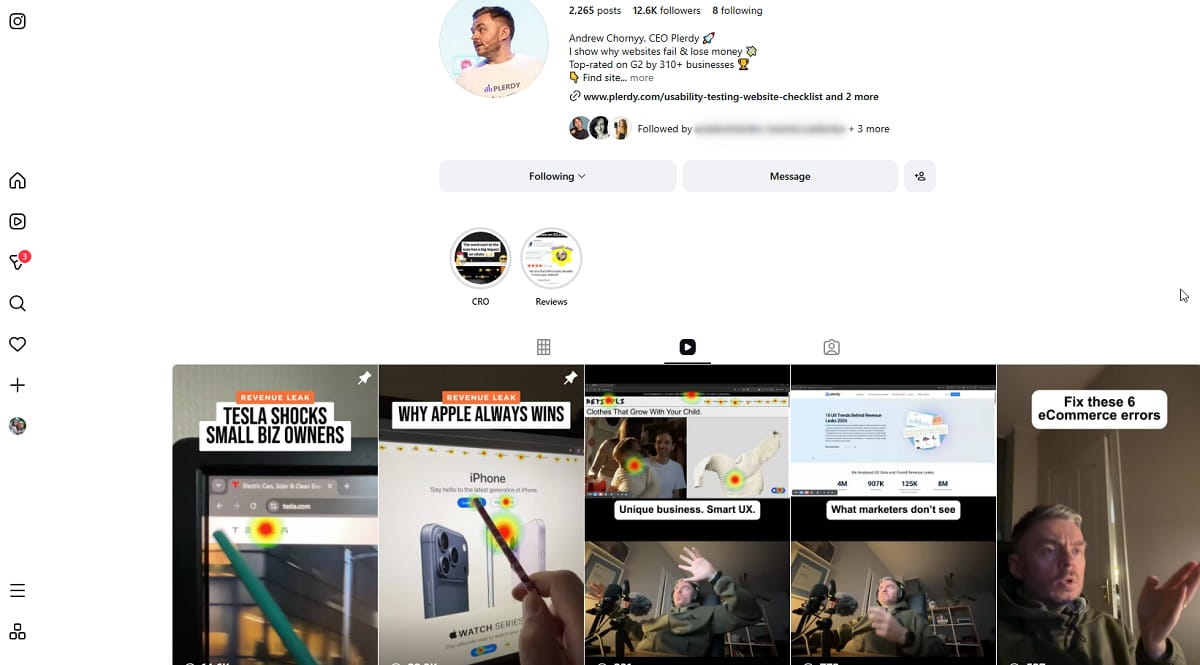
One of the most common small business mistakes is trying to be active on every platform at the same time. Instagram, TikTok, LinkedIn, email, YouTube, Facebook, blog, podcast, webinars. Suddenly the team is producing a lot and saying almost nothing well.
You do not need omnipresence. You need presence where your audience already pays attention.
How To Choose The Right Channels
Ask three questions:
- Where does my customer already spend attention?
- What format can my team realistically produce well?
- Which channel helps the buyer move closer to action?
A B2B consultant may do better with LinkedIn and email than TikTok. A local food business may get more from Instagram, Google Business updates, and SMS. A niche online store might win with short-form video and email rather than daily blogging.
The Key Principle
Consistency beats scattered activity. A useful weekly rhythm on two channels usually performs better than random bursts across six. The goal is not to look busy. The goal is to stay visible and memorable enough that buyers think of you at the right time.
Track engagement quality, inbound leads, saves, replies, and traffic to meaningful pages. Vanity metrics are entertaining, but they do not pay invoices.
10. Measure What Leads To Revenue And Cut What Does Not

This is the least glamorous strategy on the list, which is probably why it matters so much. Small businesses cannot afford fuzzy measurement. If you do not know what is producing leads, sales, repeat purchases, and margin, you will keep funding activity instead of outcomes.
Marketing should not be judged only by how much content was published or how many impressions a campaign got. Those numbers can be useful, but they are not the finish line.
What To Measure First
- Lead source.
- Conversion rate by channel.
- Cost per lead.
- Cost per acquisition.
- Repeat purchase rate.
- Average order value.
- Lifetime value where possible.
A Practical Example
Imagine a small home services business gets leads from Google Maps, referral partners, organic search, and paid ads. Paid ads bring the most leads, but referral leads close at double the rate. Organic search takes longer to build, but the long-term cost is far lower. That is the kind of pattern that should shape budget decisions. The strongest marketing plans for small businesses improve faster when reporting shows which channels drive profit instead of just activity.
What To Stop Doing
Do not keep every tactic alive just because you worked hard on it. Some channels underperform. Some offers attract the wrong buyers. Some campaigns look exciting and quietly burn money. Small business marketing gets stronger when you are willing to cut the sentimental nonsense.
Review results monthly. Ask what is growing revenue, what is improving customer quality, and what is simply filling the calendar with activity. Then adjust.
Conclusion
Effective marketing for small businesses is rarely about chasing every trend or copying the loudest brand in the room. It is usually about doing a few core things well: getting clear on your position, building trust fast, showing up consistently, and measuring what actually leads to revenue.
If there is one practical takeaway here, it is this: do not try to do everything. Pick the strategies that fit your business model, your audience, and your current stage. Then execute them properly. Consistency, positioning, and measurement beat marketing chaos almost every time.
Frequently Asked Questions
What Is The Best Marketing Strategy For A Small Business?
The best marketing strategy for a small business depends on its audience, offer, and market. In most cases, the strongest results come from clear positioning, a conversion-focused website, local SEO, useful content, email marketing, and consistent measurement.
How Can A Small Business Market With A Limited Budget?
A small business can market on a limited budget by focusing on high-intent channels first. That usually means improving local SEO, collecting customer reviews, building an email list, creating practical content, and using referral partnerships instead of trying to be everywhere at once.
Which Marketing Channels Work Best For Small Businesses?
The best marketing channels for small businesses often include Google Business Profile, organic search, email marketing, referrals, and one or two social platforms that match the audience. The right mix depends on where customers already pay attention and how close they are to buying.
Why Is Local SEO Important For Small Businesses?
Local SEO helps small businesses appear when nearby customers search for products or services. It matters because this traffic often has strong intent, which means better chances of calls, bookings, store visits, and qualified leads without paying for every click.
How Do Small Businesses Measure Marketing Success?
Small businesses should measure marketing success by tracking lead sources, conversion rates, cost per lead, cost per acquisition, repeat purchases, and revenue by channel. Useful marketing is not just about traffic or impressions. It should support real business growth.