

Choosing between OptiMonk and Privy looks simple at first. Both tools help ecommerce stores collect leads, show pop-ups, recover visitors, and push more sales from existing traffic. But the real difference is not only “OptiMonk vs Privy pricing.” The bigger question is what you need first: website personalization and pop-up experiments, or email, SMS, and list growth in one place.
This updated OptiMonk vs Privy comparison explains the real use cases, pricing logic, core features, and where each tool makes more sense. For readers searching “Privy vs OptiMonk,” the answer is not one-size-fits-all. It depends on traffic volume, list size, campaign goals, and how deeply you want to analyze user behavior after the pop-up appears.
OptiMonk Vs Privy: Fast Answer
OptiMonk is usually the stronger fit when your main goal is on-site conversion optimization: pop-ups, embedded messages, targeting, personalization, campaign testing, and product-page optimization. It is priced mainly around monthly pageviews and domains, so it feels natural for teams that think in website traffic and campaign reach.
Privy is usually the better fit when your store needs email, SMS, pop-ups, automations, and list growth under one ecommerce marketing platform. Its public pricing starts around mailable contacts for email and also has a separate Pop-Ups & Displays only option based on monthly pageviews.
If you need only pop-ups, both can work. If you need email and SMS heavily, Privy is easier to justify. If you need more CRO analysis around what users click, where they drop, how they scroll, and what should be tested next, then adding Plerdy beside either tool makes the comparison more practical.
OptiMonk Vs Privy Comparison Table
| Feature | OptiMonk | Privy | Plerdy As CRO Alternative |
|---|---|---|---|
| Main Focus | AI-driven pop-ups, website personalization, ecommerce conversion campaigns, and product-page optimization. | Email marketing, SMS, pop-ups, displays, automations, and ecommerce list growth. | Pop-ups, heatmaps, session replays, SEO audit, A/B testing, funnels, and CRO behavior analysis. |
| Best For | Stores that want to improve on-site conversion with targeted offers and personalization. | Stores that want to grow and monetize email/SMS lists from one platform. | Teams that need to see what users actually do before changing UX, CTA, pop-ups, or page layout. |
| Free Option | Free plan with 10,000 pageviews/month and 1 domain. | 15-day free trial, no credit card required on the public pricing page. | Free forever plan with daily limits for heatmaps, video sessions, SEO audits, pop-ups, ecommerce tracking, conversions, and AI UX Assistant. |
| Starting Paid Price | Essential starts from $19/month on the annual billing view shown on the official pricing page. | Email starts at $30/month. Pop-Ups & Displays only starts at $24/month. | Startup package is shown from $21/month when billed yearly. |
| Pricing Model | Based mainly on monthly pageviews and number of domains. | Email pricing is based on mailable contacts. Pop-Ups & Displays only pricing is based on monthly pageviews. SMS has separate usage logic. | Package limits are based on tool usage: heatmaps, video sessions, SEO audits, pop-ups, ecommerce tracking, conversions, and add-ons. |
| Pop-Ups | Yes. Strong pop-up builder with targeting, personalization, and campaigns. | Yes. Includes advanced pop-up design, targeting, exit intent, Spin-to-Win, quizzes, and cart savers. | Yes. Useful when pop-ups need to be checked together with clicks, scrolls, conversions, and user recordings. |
| Email Marketing | Mostly through integrations and campaign flows, not as the main product category. | Yes. Email campaigns, automations, unlimited email sends on the public pricing page, and ecommerce segmentation. | No full email marketing suite. Plerdy is stronger for CRO and behavioral analytics around website performance. |
| SMS | Not the main product focus. | Yes. SMS add-on and SMS-only options are available. | No native SMS marketing suite. |
| A/B Testing | Yes, including campaign testing and product-page testing in specific solutions. | Yes, listed for Pop-Ups & Displays only. | Yes. Unlimited A/B testing is listed in Plerdy packages. |
| Behavior Analytics | Campaign analytics for conversion campaigns. | Advanced reporting for email, SMS, and displays. | Strongest here: heatmaps, session replays, funnels, ecommerce tracking, event tracking, and UX analysis. |
| Best Decision | Choose OptiMonk if traffic-based pop-up personalization is the main job. | Choose Privy if email/SMS list growth is the main job. | Use Plerdy if you also need to understand why users do or do not convert after seeing offers, CTAs, forms, or pop-ups. |
What Is OptiMonk?
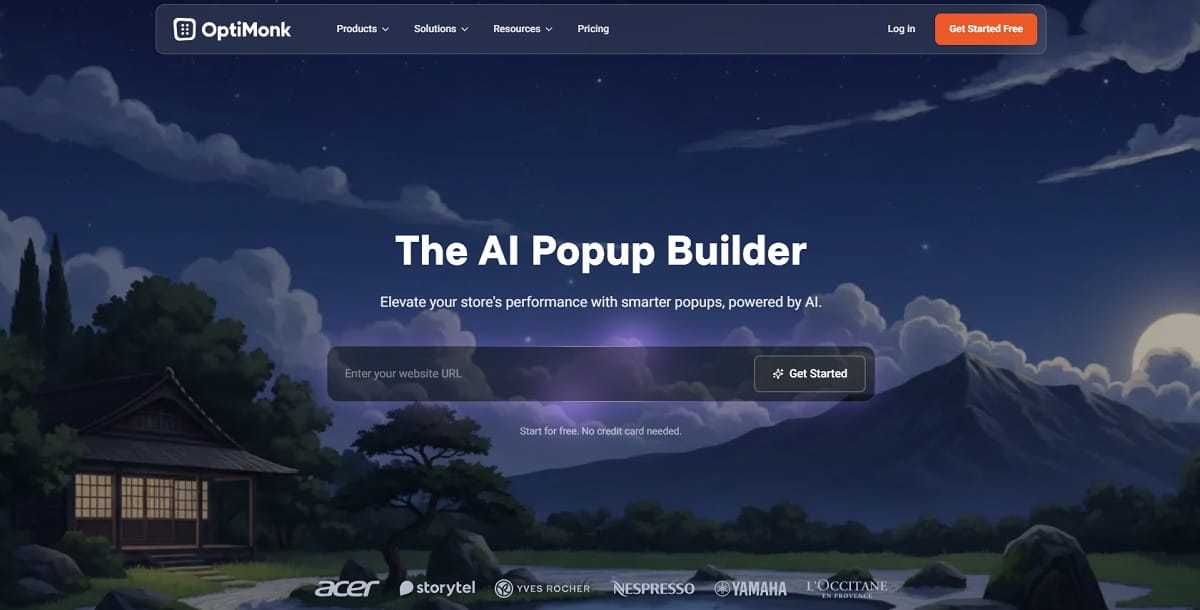
OptiMonk is an ecommerce conversion optimization platform focused on pop-ups, personalization, targeting, and on-site messages. It is not an SEO agency and not just a simple newsletter form tool. That old framing should be removed because it makes the comparison weak and confusing.
The main OptiMonk use case is clear: show the right message to the right visitor at the right moment. For example, a store can show exit-intent offers, cart-related pop-ups, product recommendations, embedded forms, discount campaigns, or personalized messages based on visitor behavior. For ecommerce teams, this matters because one generic pop-up rarely performs as well as a segmented campaign.
OptiMonk pricing is also traffic-oriented. The official pricing page shows a Free plan with 10,000 pageviews per month and one domain. Paid packages include Essential, Growth, Premium, and Master. The important detail is that pageviews are counted when pages load, not only when a campaign is displayed. So a store with heavy traffic should check pageviews before choosing a plan.
What Is Privy?
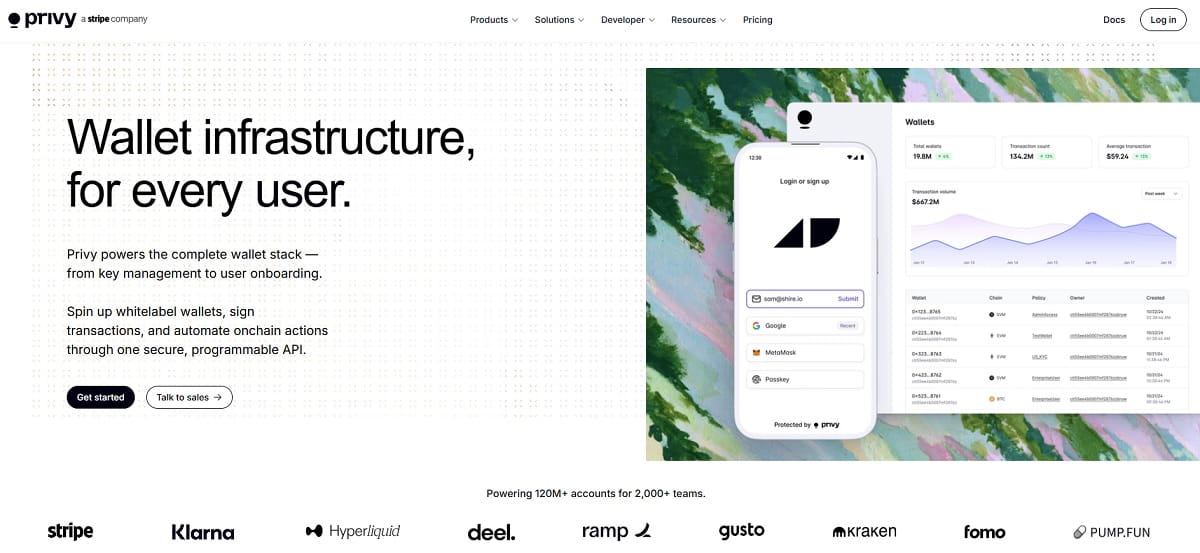
Privy is an ecommerce marketing platform for email, SMS, pop-ups, displays, automations, and list growth. It is especially relevant for Shopify, BigCommerce, Wix, and other ecommerce stores that want one place to capture contacts and send campaigns after that visitor leaves the site.
The current Privy pricing page presents Email from $30 per month and includes a 15-day free trial. It also lists Pop-Ups & Displays only from $24 per month, with pricing based on monthly pageviews. That means the old article claim that Privy simply has a free version and two paid packages is too outdated and too narrow.
Privy is not only a pop-up tool. It includes email and SMS campaigns, automations, advanced targeting and segmentation, third-party integrations, unlimited email sends, and reporting. For many stores, this is the key reason to choose Privy over OptiMonk. The pop-up is only the first step; the follow-up email or SMS can be the part that actually brings revenue.
OptiMonk Vs Privy Pricing
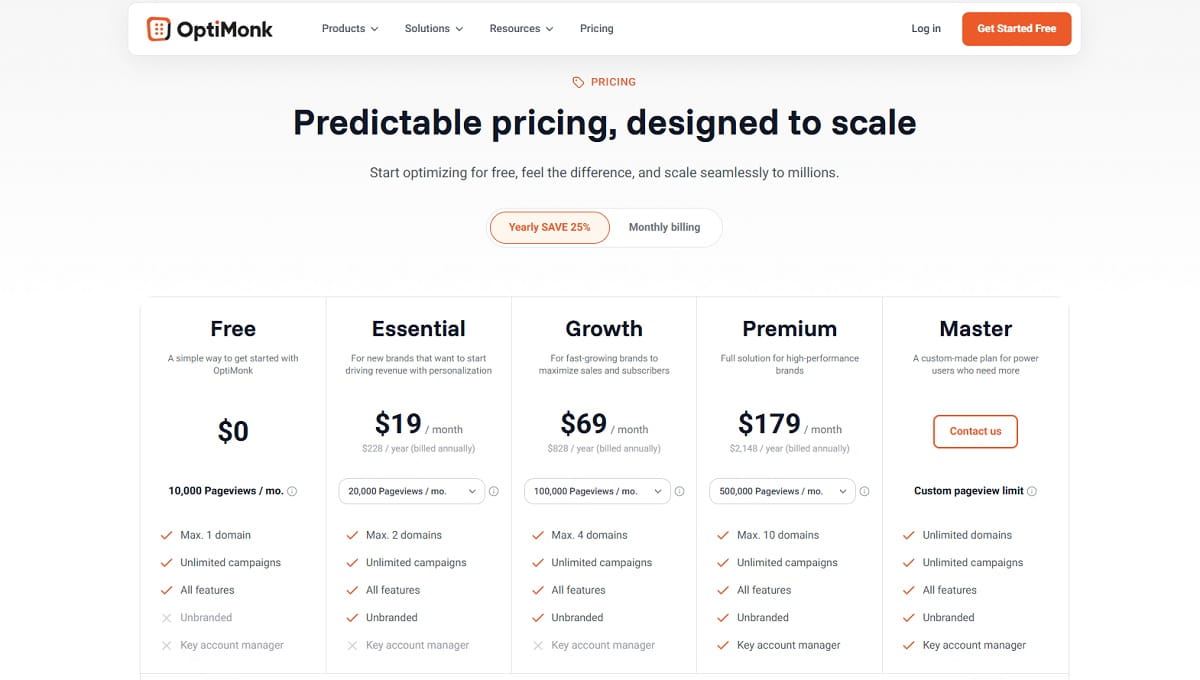
The old pricing section should be replaced fully. It mentions OptiMonk Free with 15,000 pageviews and OptiMonk Premium at $199. Current official pricing shows Free at 10,000 pageviews per month, Essential from $19 per month, Growth from $69 per month, Premium from $179 per month, and Master as a custom plan. The exact final price can change depending on billing mode and traffic level, so the safest wording is to say that pricing is based on pageviews and domains.
Privy pricing also needs a full update. The current public pricing page says Email starts at $30 per month with 250 free SMS credits included. Privy also lists Pop-Ups & Displays only from $24 per month and SMS only from $199 per month. For older accounts, Privy documentation still explains older plan names such as Starter and Growth, but the article should not present the old $45 Growth price as the main current pricing message.
For SEO, this section should naturally include the query “optimonk pricing,” but not stuff it everywhere. The useful angle is simple: OptiMonk pricing depends mostly on traffic and domains, while Privy pricing depends heavily on contacts, email/SMS needs, and whether you only want displays.
Feature Comparison: Pop-Ups, Email, SMS, And Testing
OptiMonk is stronger when the job is on-site conversion. It gives ecommerce teams many ways to personalize campaigns, segment visitors, test offers, and improve product-page experiences. This is useful when traffic is already coming in but users are leaving without subscribing, adding to cart, or completing checkout.
Privy is stronger when the job continues after the website visit. Its email, SMS, automations, segmentation, and ecommerce integrations make it a better fit for brands that want to capture visitors and then keep selling through follow-up campaigns. If your store needs abandoned cart messages, list growth campaigns, and email flows, Privy is closer to an all-in-one ecommerce marketing system.
Both tools include pop-up and display features, but their center of gravity is different. OptiMonk feels more like a conversion campaign and personalization tool. Privy feels more like a list growth and lifecycle marketing tool. That difference should be clear early in the article because users searching “optimonk vs” usually want a fast purchase decision, not a generic product description.
When To Choose OptiMonk
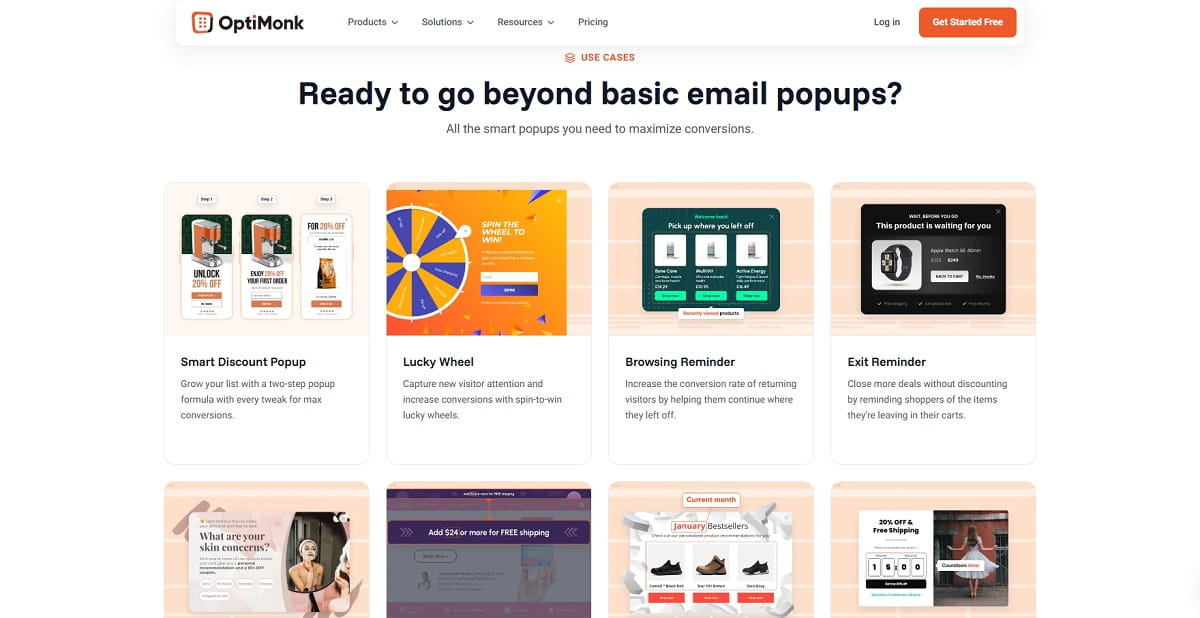
Choose OptiMonk if your team cares most about on-site experiments and traffic-based targeting. It is a good choice when you want to test different pop-up offers, personalize messages by audience, improve ecommerce conversion rates, and avoid showing the same generic discount to everyone.
OptiMonk also makes sense for stores with a clear CRO workflow. For example, you notice users visiting product pages but not buying. You can test personalized product-page offers, exit-intent messages, cart savers, or embedded forms. This kind of work is closer to conversion optimization than classic email marketing.
- Choose OptiMonk for website personalization and campaign targeting.
- Choose OptiMonk when pageviews and domains are easier to plan than contact-based pricing.
- Choose OptiMonk if pop-up performance is the main metric you want to improve.
- Choose OptiMonk when your team already uses another email platform and only needs stronger on-site campaigns.
When To Choose Privy
Choose Privy if your store needs pop-ups plus email and SMS follow-up. It is not only about showing a form. It is about turning that form into a list, sending campaigns, building automations, and tracking revenue from those contacts.
Privy can be a better fit for ecommerce brands that do not want to connect many separate tools for pop-ups, email, SMS, and segmentation. It also works well when the team thinks in mailable contacts and campaign sends instead of only pageviews. That is why “Privy vs OptiMonk” can have a very different answer for a small Shopify store than for a high-traffic media-style ecommerce site.
- Choose Privy for email, SMS, pop-ups, and automations in one platform.
- Choose Privy when abandoned cart flows and list growth are more important than advanced on-site personalization.
- Choose Privy if your team wants ecommerce integrations and campaign reporting in one place.
- Choose Privy if contact-based pricing matches how you already measure marketing growth.
Need More Than OptiMonk Or Privy?
OptiMonk and Privy can help you show better messages. But they do not fully answer a deeper CRO question: why did users ignore the offer, miss the CTA, stop scrolling, or abandon the form?
This is where Plerdy can support the decision. Plerdy combines pop-ups with heatmaps, session recordings, conversion funnel analysis, event tracking, SEO checks, ecommerce tracking, and A/B testing. So instead of only asking which pop-up tool is better, a team can also see how users behave before and after a campaign appears.
For example, a store may use a pop-up for a discount but still get weak results. The problem may not be the offer. It may be that users never reach the product details, the CTA is too low, the mobile layout hides trust elements, or the form has too many fields. With Plerdy, this becomes easier to check before changing the whole campaign strategy.
OptiMonk Vs Privy: Which Tool Should You Choose?
Choose OptiMonk if your main goal is improving on-site conversion with targeted pop-ups, personalization, and traffic-based campaigns. It is the better answer when your store already has traffic and wants to squeeze more value from each visit.
Choose Privy if your main goal is collecting contacts and turning them into revenue through email and SMS. It is the better answer when list growth, automations, abandoned cart messages, and ecommerce campaigns are more important than deep website personalization.
Choose Plerdy beside either one if you want the missing behavior layer. Pop-ups and email can bring revenue, sure. But heatmaps, session replays, funnels, event tracking, and A/B testing help you understand what users actually do. Without that, you may keep changing pop-up text while the real problem sits somewhere else on the page.
FAQ About OptiMonk Vs Privy
What Is The Main Difference Between OptiMonk And Privy?
OptiMonk focuses more on on-site conversion campaigns, pop-ups, personalization, targeting, and product-page optimization. Privy focuses more on ecommerce list growth with email, SMS, pop-ups, automations, segmentation, and campaign reporting.
Which Tool Is Better For Pop-Ups?
Both tools support pop-ups. OptiMonk is usually stronger for advanced on-site personalization and traffic-based campaigns. Privy is stronger when pop-ups are part of a wider email and SMS marketing workflow.
Is OptiMonk Pricing Based On Contacts?
No. OptiMonk pricing is mainly based on monthly pageviews and domain limits. This makes it different from tools that price mostly by mailable contacts or email list size.
Is Privy Pricing Based On Pageviews Or Contacts?
Privy uses different pricing logic depending on the product. Email pricing is based on mailable contacts, while the Pop-Ups & Displays only option is based on monthly pageviews.
Which Is Better For Shopify Stores, OptiMonk Or Privy?
Privy can be better for Shopify stores that need email, SMS, pop-ups, and automations together. OptiMonk can be better for Shopify stores that already have email covered and want stronger website personalization and conversion campaigns.
Should I Use Plerdy With OptiMonk Or Privy?
Yes, if you want to understand user behavior before and after pop-up campaigns. Plerdy helps analyze clicks, scrolls, sessions, funnels, SEO issues, events, and A/B tests, so you can make better CRO decisions.
Conclusion
OptiMonk vs Privy is not only a pricing comparison. It is a workflow comparison. OptiMonk is closer to on-site personalization and conversion optimization. Privy is closer to ecommerce email, SMS, and list growth. Both can help stores grow, but they solve different parts of the funnel.
If your biggest problem is showing better offers to website visitors, start with OptiMonk. If your biggest problem is growing and monetizing an email or SMS list, Privy may be the better first choice. And if you want to see why users ignore offers, miss buttons, abandon forms, or stop before checkout, use Plerdy to add the behavioral data layer before making the next CRO change.