

Growth strategies are undergoing a fundamental shift. For years, companies have relied heavily on paid acquisition channels to scale, but rising costs, declining efficiency, and tracking limitations are forcing businesses to rethink how they grow.
This is where refer a friend marketing software is emerging as a core part of modern growth infrastructure. Instead of being treated as a side campaign, referrals are increasingly being taken seriously as a system that is deeply integrated into the product, data, and marketing stack.
A modern referral platform is no longer just a tool for sharing links, but an always-on engine that drives acquisition, improves retention, and connects directly to revenue.
The Shift from Channels to Growth Infrastructure
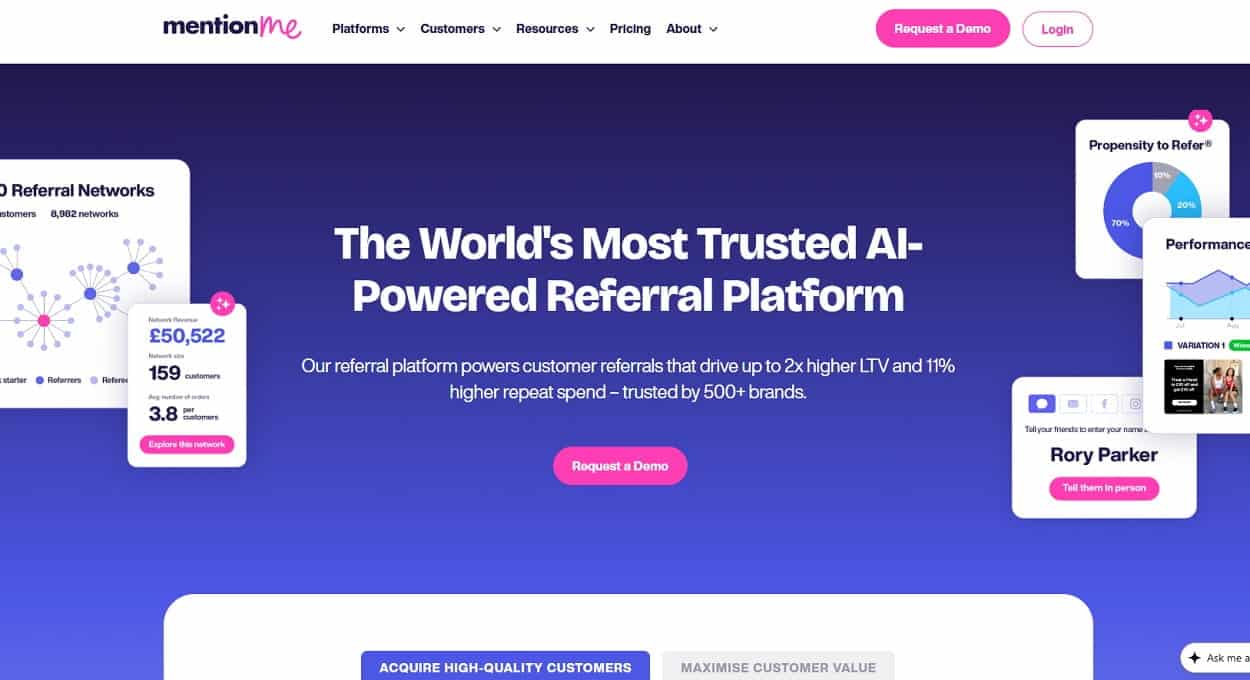
From Paid Acquisition to Owned Growth Loops
Paid media operates in a linear way: you spend money, acquire users, and the cycle resets. Costs increase as competition grows, making it harder to scale profitably.
Referrals, on the other hand, are compounding. A strong referral platform creates a self-reinforcing loop where customers continuously bring in new ones. Over time, this reduces dependency on paid channels.
Why Infrastructure Thinking Matters
One-off campaigns don’t scale. They deliver temporary results but fail to create long-term growth.
Infrastructure thinking is different. A refer a friend marketing software solution creates repeatable, optimized systems that operate continuously. Instead of launching campaigns, companies build growth engines.
Referral Marketing’s Role in the Stack
A modern referral platform sits at the intersection of:
- Product (user experience and triggers)
- CRM (customer data and segmentation)
- Lifecycle marketing (email, messaging, retention flows)
This positioning makes it a critical component of the growth stack rather than an isolated tool.
What Refer-a-Friend Marketing Software Actually Does
Beyond Basic Referral Programs
Many still think referrals are just links or codes. In reality, refer a friend marketing software provides a complete system that includes the ability to:
- Track referral interactions
- Attribute conversions
- Distribute rewards
- Optimize your program continuously
A modern referral platform connects all these layers into one unified system.
Core Functional Layers
High-performing refer a friend marketing software includes several core components:
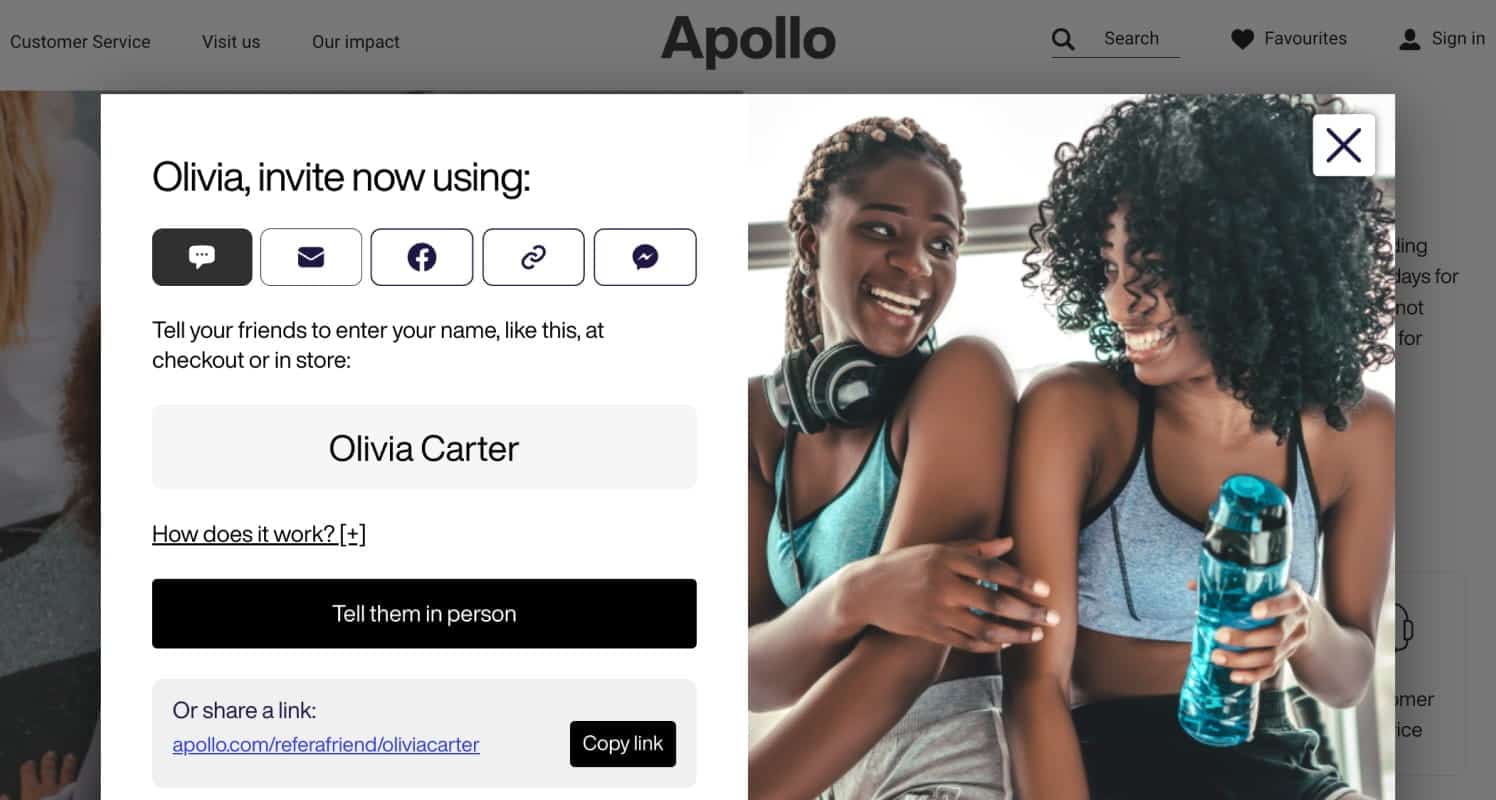
- Referral capture mechanisms (links, name-based referrals, in-app prompts)
- Attribution engine that connects referrals to revenue
- Reward logic system with flexible incentives
- Analytics and reporting dashboards
These layers ensure that referrals are measurable and scalable.
Integration into the Martech Stack
A referral platform integrates with:
- CRM systems for customer segmentation
- Product analytics tools for behavioral triggers
- Email and lifecycle platforms for activation
This integration enables referrals to be triggered at the right moment in the customer journey, maximizing the benefits to your business.
Why Refer-a-Friend Software Is Becoming Core Infrastructure
Rising CAC Forces Efficient Growth Channels
Customer acquisition costs continue to rise across industries. Paid channels are becoming less efficient and harder to scale.
In contrast, a referral platform provides a lower-cost, higher-trust alternative. It leverages existing customers instead of constantly acquiring new ones.
Privacy Changes Are Breaking Traditional Tracking
With increasing privacy regulations and reduced third-party tracking, attribution in paid channels is becoming less reliable.
Refer a friend marketing software operates on first-party data, making tracking more accurate and sustainable.
Trust Has Become the Primary Conversion Driver
Consumers trust recommendations from people they know far more than advertisements.
A referral platform taps into this trust, leading to higher conversion rates and better customer quality.
Referral Programs Align with Product-Led Growth
Product-led growth (PLG) relies on user experience and organic adoption.
A refer a friend marketing software integrates directly into the product, triggering referrals at key moments such as:
- Activation
- First success
- Retention milestones
This makes referrals a natural part of the user journey.
The Economics of Referral Marketing Software
Impact on CAC
A referral platform reduces acquisition costs by turning customers into acquisition channels. Over time, this leads to more efficient growth.
Impact on LTV
Users acquired through refer a friend marketing software typically show:
- Higher retention
- Greater engagement
- Stronger long-term value
Incrementality vs “Would Have Bought Anyway”
One of the biggest challenges in referral marketing is measuring true impact.
Advanced referral platform solutions focus on incrementality—identifying which conversions would not have happened without referrals. This moves beyond vanity metrics and provides real business insights.
Key Capabilities That Make It Infrastructure Rather Than a Simple Tool
Always-On Referral Systems
Refer a friend marketing software should operate continuously, not just during campaigns. This ensures a steady flow of new users.
Automation Across the Customer Lifecycle
Modern referral platform systems trigger referrals automatically at key lifecycle stages:
- Onboarding
- Milestone achievements
- Renewal points
This increases participation and performance.
Advanced Attribution and Data Modeling
A strong refer a friend marketing software includes:
- Multi-touch attribution
- Revenue-based tracking
- Cross-channel analysis
These capabilities allow companies to understand the true value of referrals.
Fraud Detection and Quality Control
Fraud prevention is essential for maintaining program integrity. A reliable referral platform detects abuse, prevents duplicate referrals, and ensures reward accuracy.
Refer-a-Friend Software vs Traditional Marketing Channels
Referral vs Paid Ads
Paid ads rely on interruption and budget, while referrals rely on trust and relationships. Refer a friend marketing software delivers better cost efficiency and higher-quality users.
Referral vs Affiliate Marketing
Affiliate programs rely on external promoters, while referrals rely on existing customers. A referral platform typically generates higher-intent traffic.
Referral vs Influencer Marketing
Influencer marketing is audience-based, while referrals are relationship-based. This makes refer a friend marketing software more consistent and predictable over time.
Common Mistakes Companies Make
Typical mistakes businesses make include:
- Treating referrals as a side campaign instead of infrastructure
- Using generic tools without deep integration
- Optimizing for volume instead of customer quality
- Not measuring incrementality
These mistakes prevent companies from unlocking the full potential of a referral platform.
What High-Performing Companies Do Differently
Embed Referrals into Product Experience
Leading companies integrate referrals directly into the product using:
- In-app prompts
- Contextual triggers
Optimize Continuously
They treat referrals as a performance channel, using:
- A/B testing
- Reward experimentation
Focus on Customer Quality
Instead of maximizing volume, they prioritize high-LTV users. Refer a friend marketing software enables this by connecting referrals to long-term value.
Treat Referrals as a Core Growth Channel
Top companies give referrals the same priority as paid acquisition, making them a central part of their growth strategy.
Future of Refer-a-Friend Marketing Software (2026 and Beyond)
AI-Driven Optimization
AI will help identify the best moments to trigger referrals and optimize incentives.
Personalization of Referral Experiences
Referral platform solutions will tailor rewards and messaging based on user behavior.
Deeper Integration with Product and Data Layers
Referrals will become fully integrated into the growth stack, connecting product, CRM, and analytics.
Shift Toward Incrementality Measurement
Future refer a friend marketing software will focus on proving real business impact, not just tracking activity.
What We Can Take Away
Referral marketing is no longer just a tactic, it is becoming core infrastructure.
A modern referral platform enables:
- Scalability
- Measurability
- Continuous optimization
This means that companies which adopt refer a friend marketing software as infrastructure gain a significant advantage. These businesses can reduce CAC, increase LTV, and build sustainable growth systems. The future belongs to these companies that can turn referrals into a predictable, measurable revenue channel.