

SEO for moving companies is the process of making a mover visible when people search for a service in a specific place—such as “movers near me,” “local movers in Denver,” or “long-distance moving company.” A useful strategy connects Google Business Profile, service and location pages, reviews, technical SEO, local authority, and conversion tracking to one business outcome: qualified estimate requests that become booked moves.
Key Takeaways
- Local and organic results are connected but distinct. Optimize both the Google Business Profile and the website.
- Map one intent to one best page. Avoid making several pages compete for the same city-and-service query.
- Location pages need local utility. A swapped city name is not a local SEO strategy.
- Trust is part of conversion. Licensing, USDOT registration where applicable, insurance, policies, estimates, and real proof help customers evaluate risk.
- Track booked moves. Rankings and clicks matter only when they contribute to qualified estimates and revenue.
What Is SEO for Moving Companies?
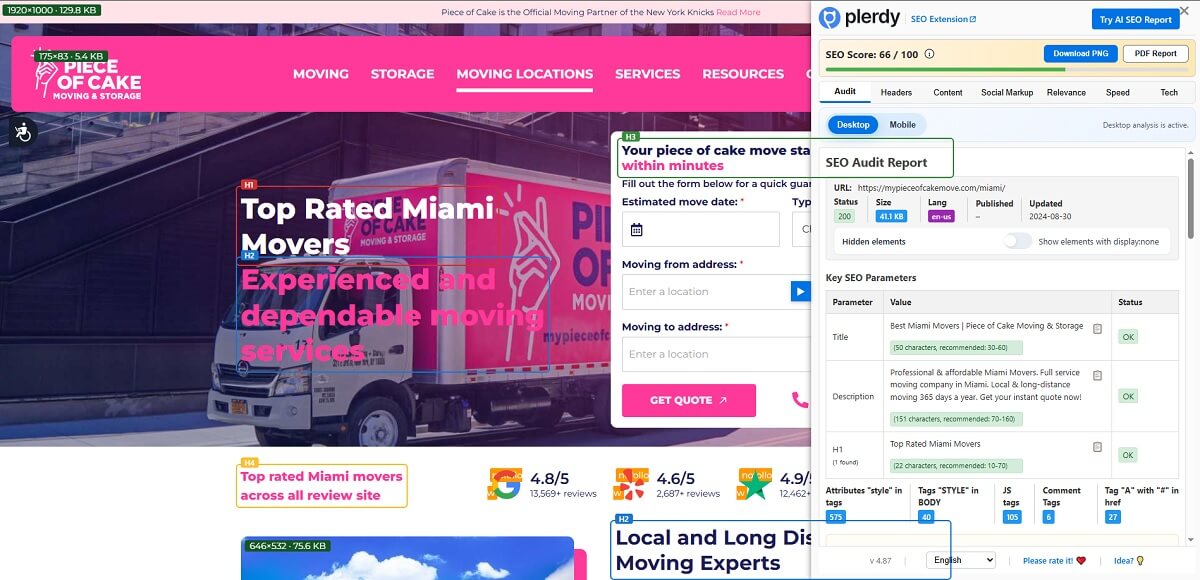
Moving company SEO improves visibility across Google Search and Google Maps for searches related to moving services, service areas, routes, costs, preparation, and provider selection. It includes four connected systems:
- Local SEO: Google Business Profile, reviews, local relevance, location data, and citations.
- Website SEO: service pages, location pages, content, internal links, metadata, and structured data.
- Technical SEO: crawling, indexing, canonical URLs, page performance, mobile usability, and form reliability.
- Conversion measurement: calls, estimate requests, qualified leads, booked jobs, revenue, and service area.
Why SEO for Movers Is Different
Moving searches combine urgency, geography, service type, date, trust, and price sensitivity. A customer may need a local apartment move this weekend, an office relocation next quarter, or an interstate household move requiring federal registration. One generic “Moving Services” page cannot answer all these decisions well.
| Journey stage | Example search | Best destination | Primary action |
|---|---|---|---|
| Immediate local need | movers near me | Google Business Profile and local landing page | Call or request estimate |
| Service comparison | apartment movers in Austin | Apartment-moving service/location page | Check fit and availability |
| Long-distance research | interstate moving company Chicago | Interstate moving service page with compliance proof | Verify and request quote |
| Cost research | how much do movers cost in Phoenix | Transparent cost guide or calculator | Estimate budget |
| Preparation | moving checklist 8 weeks | Helpful checklist | Plan move and join remarketing/email |
| Risk evaluation | how to verify a moving company | Trust and licensing guide | Verify mover credentials |
1. Audit the Current Moving Company Search Funnel
Do not begin by publishing city pages. First determine what Google can access, which queries already produce visibility, where visitors land, and whether leads can complete the estimate process.
Technical and Indexing Audit
- Confirm important URLs return HTTP 200 and are not blocked by robots.txt or a noindex directive.
- Inspect canonical tags, XML sitemap inclusion, redirect chains, duplicate pages, and soft 404s.
- Check whether service and location pages appear in Google Search Console’s Page Indexing report.
- Test quote forms, click-to-call links, menus, filters, and validation on mobile devices.
- Review title tags, H1s, thin copy, broken internal links, missing images, and outdated business information.
Google’s minimum technical requirements are straightforward: Googlebot must not be blocked, the page must work with an HTTP 200 response, and it must contain indexable content. Eligibility does not guarantee indexing or rankings. Review Google Search technical requirements.
Search and Lead Baseline
- Export 12–16 months of Search Console queries, pages, clicks, impressions, CTR, and average position.
- Separate brand, service, location, route, informational, and “near me” query patterns.
- Record Google Business Profile interactions and calls where available.
- Connect call tracking and forms to CRM outcomes: qualified, quoted, booked, lost, spam, or out of area.
- Calculate organic qualified-lead and booked-move rates by landing page.
Use Plerdy to Find SEO and Conversion Leaks

Use the Plerdy SEO Checker to identify on-page issues and monitor changes. Then segment organic visitors in heatmaps and session recordings to see whether potential customers find the service, trust, and estimate information they need.
2. Build a Moving Company Keyword Strategy
Start with services and markets, then add modifiers that represent a real customer need. Do not prioritize vague phrases such as “reliable relocation solutions” merely because they sound professional.
| Keyword category | Examples | Intent | Target page |
|---|---|---|---|
| Core local | moving company [city], movers [city], movers near me | Hire locally | Primary location/homepage |
| Service | apartment movers, office movers, packing services | Find a specific service | Dedicated service page |
| Service + location | apartment movers [city], office movers [city] | Hire local specialist | Best matching service/location page |
| Distance | local movers, long-distance movers, interstate movers | Choose move type | Local or long-distance service page |
| Route | moving from [city] to [city] | Research a specific relocation | Route guide only when genuinely supported |
| Specialty | piano movers, senior movers, labor-only movers | Find specialized capability | Specialty service page |
| Cost | moving cost [city], how much do movers charge | Estimate budget | Cost guide or calculator |
| Trust | licensed movers [city], insured moving company | Reduce hiring risk | Service page with verifiable proof |
| Informational | moving checklist, how to pack dishes | Prepare for move | Guide or checklist |
Map One Primary Intent to One URL
Create a keyword-to-page map before writing. If the homepage, “local movers” page, and city page all target “Denver moving company,” Google and users receive no clear destination. Select the page best able to satisfy the query, then make supporting pages internally link to it with descriptive, varied anchors.
Prioritize by Business Fit
Search volume does not equal value. Score each topic by service availability, geographic fit, margin, lead quality, seasonality, current visibility, page gap, and competitive difficulty. A lower-volume specialty service may create more profit than a broad moving term.
3. Build a Website Architecture for Services and Markets
A moving company website should allow customers and crawlers to move from the business overview to a service, market, proof, and estimate without navigating an artificial maze.
/
├── services/
│   ├── local-moving/
│   ├── long-distance-moving/
│   ├── apartment-moving/
│   ├── commercial-moving/
│   ├── packing-services/
│   └── storage/
├── locations/
│   ├── denver-co/
│   ├── aurora-co/
│   └── lakewood-co/
├── moving-resources/
│   ├── moving-cost-guide/
│   ├── moving-checklist/
│   └── how-to-choose-a-mover/
├── reviews/
├── about/
└── request-an-estimate/
Architecture Rules
- Every indexable page should be linked from a logical hub or navigation path.
- Use breadcrumbs for hierarchy, not dozens of keyword links in a footer.
- Keep one stable URL per intent and redirect obsolete duplicates.
- Use service pages for capabilities and location pages for market-specific information.
- Do not create every possible service × city combination automatically.
4. Optimize Google Business Profile for a Moving Company
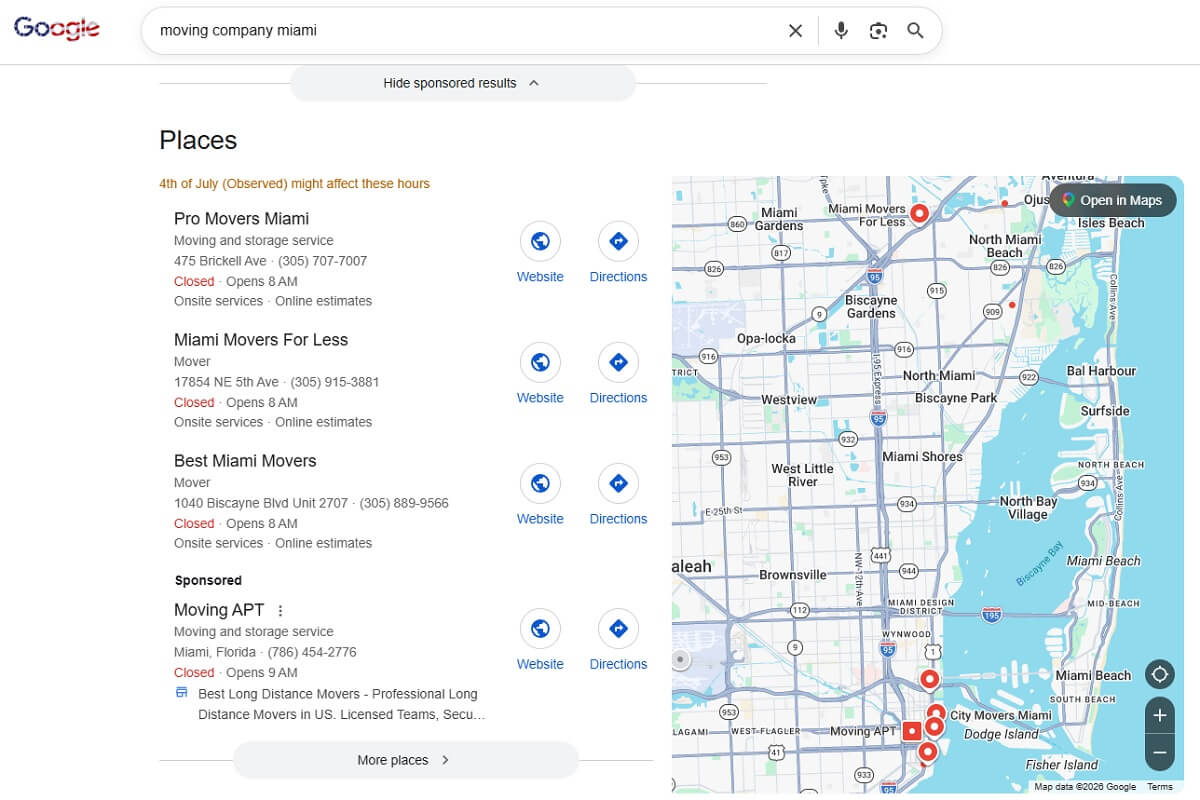
Google states that local results are mainly based on relevance, distance, and prominence. Complete and accurate business information helps Google understand when a profile is relevant. Read Google’s local ranking guidance.
Use the Correct Business Model
A moving company that visits customers but does not serve them at its address should configure itself as a service-area business and hide the address publicly. A real staffed location that receives customers during stated hours may qualify as a hybrid or storefront business. Do not use a virtual office, mailbox, or unstaffed location to manufacture map visibility.
Google defines a service-area business as one that visits or delivers to customers and does not serve customers at its business address. Review Google’s service-area guidance.
Google Business Profile Checklist
- Use the real-world business name without added city or service keywords.
- Select the most accurate primary category and relevant secondary categories.
- Set honest service areas rather than an unrealistic nationwide footprint.
- Keep the phone, website, hours, holiday hours, and appointment information current.
- Add each actual moving service with clear descriptions.
- Upload original photos of crews, branded vehicles, equipment, facilities, and completed work—with customer permission.
- Answer questions and monitor profile changes.
- Use campaign parameters on the website URL where analytics policy permits.
Multi-Location Movers
Create a separate profile only for a legitimate, eligible location that is staffed and represents the business accurately. Match each profile to the corresponding location page, phone handling, hours, and local proof. Avoid creating profiles solely to rank in neighboring cities.
5. Create Moving Service Pages That Generate Estimates
A service page should help a customer decide whether the company can handle the move, not simply repeat the phrase “professional movers.”
Service Page Template
- Specific promise: identify the move type, market, and genuine differentiator.
- Who the service is for: apartment, household, office, senior, military, student, specialty, or another supported segment.
- What is included: crew, truck, equipment, packing, disassembly, protection, loading, transport, unloading, and setup.
- Process: explain estimate, scheduling, preparation, move day, delivery, and follow-up.
- Pricing factors: distance, volume, access, labor, packing, storage, valuation, season, and minimums.
- Service boundaries: clearly state what the company can and cannot handle.
- Proof: licenses, registration, insurance, real photos, relevant reviews, case examples, and team experience.
- FAQ: answer actual pre-sale and support questions.
- Estimate CTA: phone and form with a clear response expectation.
Avoid Unsupported Claims
Do not invent prices, insurance coverage, licenses, service areas, review counts, years in business, or “#1” status. Each claim should be verifiable and current. Trust matters especially when customers hand over household goods and personal information.
6. Build Useful Location Pages Without Doorway Spam
A location page is justified when the company genuinely serves the market and can provide information that helps a person plan a move there. Changing the city name across otherwise identical pages creates little value and can resemble doorway or scaled-content abuse.
Google defines doorway abuse as pages created to rank for many similar queries that lead users toward the same destination, and its spam policies also prohibit scaled, unoriginal pages created primarily to manipulate rankings. Review Google Search spam policies.
What Makes a Location Page Useful?
- Services genuinely available in that market.
- Clear service boundaries and dispatch expectations.
- Local moving constraints: building rules, parking, elevators, permits, access, weather, or seasonal demand where accurate.
- Real moves, photos, customer stories, crews, or partnerships connected to the area.
- Pricing factors and estimate requirements specific to the market.
- Relevant neighborhoods and nearby markets in helpful context—not a keyword list.
- A unique FAQ based on calls, estimates, and customer questions from that area.
When Not to Create a City Page
Do not publish a page when the only unique text is the city name, the company has no realistic ability to serve the area, or another existing page already satisfies the same intent. Consolidate weak pages into a stronger market hub and redirect true duplicates.
7. Create Moving Content People Actually Need
Google recommends helpful, reliable, people-first content that demonstrates first-hand experience and adds original value. A moving company has an advantage over generic publishers: real crews answer moving questions every day. Review Google’s people-first content guidance.
High-Value Content Clusters
| Cluster | Useful topics | Original evidence to add | Business connection |
|---|---|---|---|
| Cost | Pricing factors, estimate types, hidden variables | Real anonymized scenarios and calculator assumptions | Qualified estimate requests |
| Planning | 8-week checklist, moving-day timeline, inventory | Crew checklist and downloadable template | Early brand discovery |
| Packing | Fragile items, TVs, books, kitchens, wardrobes | Original photos and crew techniques | Packing-service awareness |
| Special situations | Apartments, seniors, offices, storage, pianos | Constraints, equipment, and real process | Specialty-service leads |
| Trust | How to verify a mover, estimates, valuation, scams | Official FMCSA sources and company credentials | Risk reduction |
| Local | Building access, parking, permits, seasonal issues | Verified local rules and completed moves | Location relevance |
| Routes | Moving between genuinely served cities | Distance, timeline, process, and route-specific planning | Long-distance leads |
Add Experience Competitors Cannot Copy
- Interview crew leaders and estimators.
- Use original photos and short videos from real operations with permission.
- Show anonymized move scenarios and explain why cost or time changed.
- Turn recurring support questions into clear FAQs.
- Review regulated or legal statements with the appropriate expert.
- Display author and reviewer credentials.
8. Apply On-Page SEO to Moving Pages
Title and H1
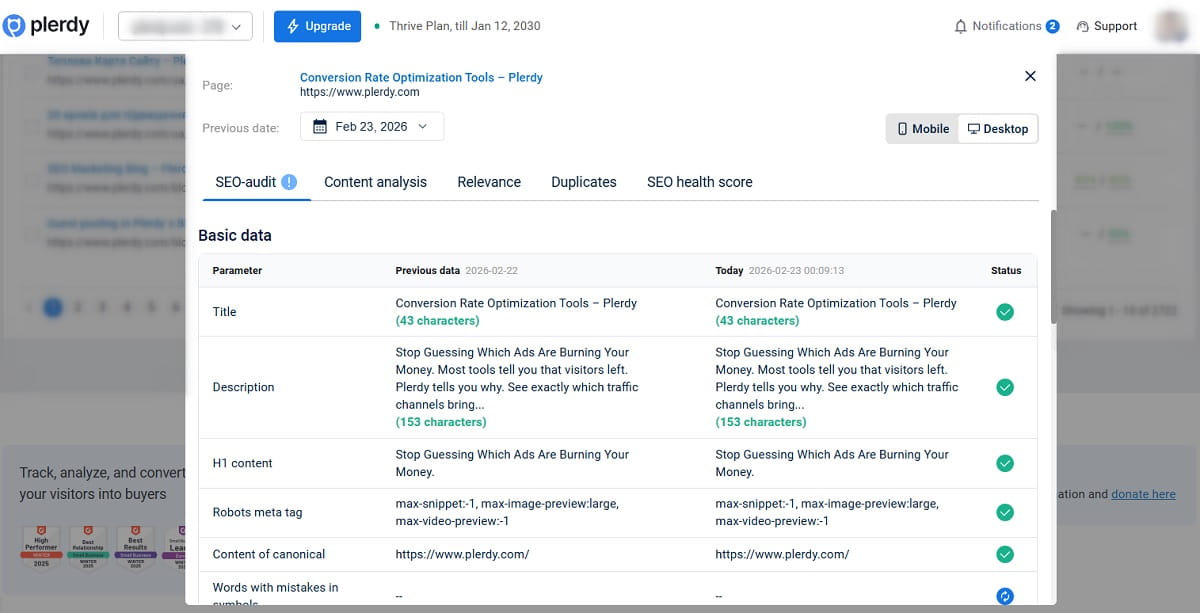
Write a descriptive title and one clear H1 that match the page’s primary intent. For example:
Apartment Movers in Denver, CO | BrandLong-Distance Moving Services from Denver | BrandHow Much Do Movers Cost in Denver? | 2026 Guide
Useful Page Elements
- Short introduction that confirms service and market.
- Descriptive H2s covering process, scope, pricing, proof, and FAQ.
- Original images with useful alternative text.
- Internal links to related service, location, cost, trust, and estimate pages.
- Visible NAP and contact information where appropriate.
- A unique title and meta description designed for qualified clicks.
- Self-referencing canonical on the preferred URL.
Do Not Optimize by Keyword Density
Use “movers,” “moving company,” service names, and geography where they clarify meaning. Do not repeat exact phrases mechanically or hide city lists in footers. Cover the customer’s decision completely and naturally.
9. Fix Technical SEO and Mobile Conversion Problems
Moving leads often arrive under time pressure. A slow page, broken menu, hidden phone number, or failed estimate form wastes both organic visibility and paid acquisition.
Technical Checklist
- HTTPS and one preferred host/protocol.
- Clean redirects with no loops or long chains.
- XML sitemap containing only canonical indexable URLs.
- Correct canonical tags and no accidental noindex.
- Compressed responsive images with explicit dimensions.
- Usable navigation, accordions, forms, and tap targets on mobile.
- Core Web Vitals monitored with real-user field data.
- No intrusive overlays blocking service or estimate content.
- Accessible labels and descriptive form errors.
- Thank-you state and conversion events verified after submission.
Check Templates, Not Random Pages
Test at least one homepage, service page, location page, article, and estimate page. Template-level defects can affect hundreds of URLs. Recheck after theme, plugin, tracking, or form changes.
10. Add Accurate LocalBusiness Structured Data
Structured data helps search engines understand business information; it does not guarantee a rich result or local ranking. Google recommends using the most specific LocalBusiness subtype available and including required and relevant recommended properties. Validate markup with the Rich Results Test and URL Inspection. Read Google’s LocalBusiness documentation.
Moving Company Schema Template
<script type="application/ld+json">
{
  "@context": "https://schema.org",
  "@type": "MovingCompany",
  "@id": "https://example.com/#moving-company",
  "name": "Example Moving Company",
  "url": "https://example.com/",
  "logo": "https://example.com/images/logo.png",
  "image": "https://example.com/images/crew-and-truck.jpg",
  "telephone": "+1-303-555-0100",
  "priceRange": "$$",
  "address": {
    "@type": "PostalAddress",
    "streetAddress": "123 Example Street",
    "addressLocality": "Denver",
    "addressRegion": "CO",
    "postalCode": "80202",
    "addressCountry": "US"
  },
  "areaServed": [
    {"@type": "City", "name": "Denver"},
    {"@type": "City", "name": "Aurora"}
  ],
  "openingHoursSpecification": [{
    "@type": "OpeningHoursSpecification",
    "dayOfWeek": ["Monday", "Tuesday", "Wednesday", "Thursday", "Friday"],
    "opens": "08:00",
    "closes": "18:00"
  }],
  "sameAs": [
    "https://www.facebook.com/example",
    "https://www.linkedin.com/company/example"
  ]
}
</script>
Replace every placeholder with verified information. Do not publish an address customers cannot visit if company policy requires it to be hidden, and do not add self-serving review markup expecting stars for the company’s own LocalBusiness page. Keep website, profile, and schema information consistent.
11. Strengthen Licensing, Reviews, and Trust Signals
Show Verifiable Credentials
FMCSA states that interstate movers must be registered with the federal government and have a U.S. DOT number. Customers can verify headquarters, contact information, registration status, business type, complaints, and safety information in the official database. Link customers to FMCSA’s registered mover search.
- Display the legal business name and relevant registration/licensing information.
- Explain whether the company acts as a carrier, broker, or other role where applicable.
- Describe estimates, valuation/protection options, payments, cancellations, claims, and prohibited items accurately.
- Keep insurance and licensing claims current.
- Link to official verification where customers can confirm details.
Build a Policy-Compliant Review Process
- Ask real customers after a completed move.
- Provide a direct review link or QR code.
- Do not offer discounts, cash, gifts, or services in exchange for reviews.
- Do not request only positive reviews or pressure customers to change criticism.
- Respond professionally and protect customer privacy.
- Turn recurring complaints into operational improvements and content updates.
Google explicitly prohibits incentivized and fake engagement, including incentives to post, change, or remove reviews. Read Google’s review guidance.
12. Earn Relevant Local Links and Clean Up Citations
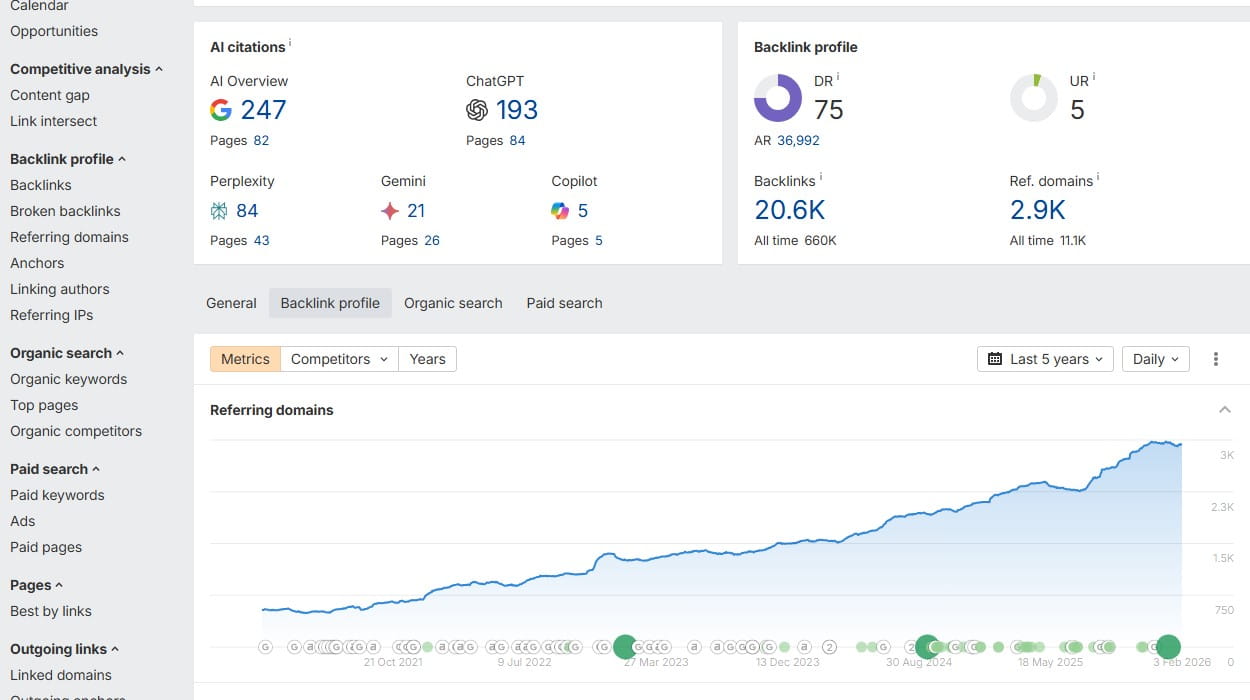
Links should come from real relationships, expertise, community participation, and useful resources—not bulk guest-post packages or irrelevant directories.
Relevant Link Opportunities
- Local chambers of commerce and legitimate business associations.
- Apartment communities, storage partners, real estate professionals, senior communities, and relocation partners.
- Local news coverage based on original moving data, seasonal trends, or community activity.
- Universities, employers, property managers, and nonprofits when a genuine partnership exists.
- Industry organizations and official licensing/registration directories.
- Useful tools, checklists, calculators, and original studies that others choose to cite.
Citation Hygiene
Audit important directories and data sources for the legal name, public address where appropriate, phone, website, category, and hours. Fix inaccurate duplicates and old phone numbers. Do not spend months submitting to hundreds of low-quality directories; prioritize authoritative platforms used by customers and data aggregators relevant to the market.
13. Turn Organic Visibility into Moving Leads
A ranking cannot answer the phone or complete a broken estimate form. Each important landing page should make the next step clear and safe.
High-Impact Conversion Elements
- Visible local phone number with click-to-call on mobile.
- Short initial estimate form; collect additional inventory details at the appropriate step.
- Clear statement of service area and move types.
- Availability and response expectations without false urgency.
- Verified registration, licensing, insurance, and review evidence.
- Transparent explanation of estimate and pricing factors.
- Real photos of crews, trucks, equipment, and work.
- Specific error messages and preservation of entered form data.
Use Behavior Data to Prioritize Fixes
Segment organic landing-page sessions in Plerdy. Look for missed phone links, dead clicks, low scroll reach before proof, repeated interaction with price information, form abandonment, and mobile layout problems. Fix objective defects directly; use A/B testing when two valid conversion experiences have uncertain outcomes and traffic is sufficient.
14. Measure SEO from Impression to Booked Move
| Stage | Metrics | Question answered |
|---|---|---|
| Visibility | Indexed pages, impressions, query coverage, local profile visibility | Can qualified searchers find the company? |
| Search engagement | Clicks, CTR, landing pages, GBP website/call actions | Does the result earn consideration? |
| Website behavior | Service views, phone clicks, estimate starts, form errors, completion | Can visitors evaluate and contact the mover? |
| Lead quality | Qualified, in-area, service-fit, spam, duplicate | Is SEO attracting the right moves? |
| Sales | Quotes, booked moves, close rate, days to booking | Do leads become jobs? |
| Economics | Booked revenue, gross margin, cost per booked move | Is the SEO program profitable? |
Core Formulas
Qualified lead rate = qualified organic leads ÷ organic sessions × 100
Booked-move rate = organic booked moves ÷ qualified organic leads × 100
Organic revenue per session = attributed booked revenue ÷ organic sessions
Cost per booked move = SEO program cost ÷ organic booked moves
Document attribution limits. Customers may discover a mover organically, return through brand search, call from Maps, or book after several visits. Combine analytics, call tracking, CRM source data, and customer self-reporting rather than pretending one system sees the entire journey.
A 90-Day SEO Plan for a Moving Company
| Period | Priority work | Deliverable |
|---|---|---|
| Days 1–15 | Technical audit, Search Console baseline, GBP audit, lead tracking, form and phone QA | Trusted baseline and prioritized defect list |
| Days 16–30 | Keyword-to-page map, architecture, duplicate consolidation, titles, internal links | Approved site and content map |
| Days 31–45 | Rewrite highest-value service pages with scope, process, pricing factors, proof, and FAQ | Core money pages published |
| Days 46–60 | Build or improve primary location pages with unique local evidence; remove weak doorway-style pages | Market hubs aligned to real service areas |
| Days 61–75 | Review workflow, citation cleanup, partner outreach, original photos, trust and FMCSA content | Stronger local entity and trust signals |
| Days 76–90 | Publish one high-value cost/planning resource, analyze behavior, improve conversion, review early query movement | Next-quarter roadmap based on evidence |
What to Expect in 90 Days
Ninety days is enough to repair the system, publish priority pages, and observe early crawling, indexing, impression, and lead-quality changes. It is not a guarantee of top rankings or a fixed lead increase. Competition, domain history, market size, implementation quality, reviews, authority, and Google’s timing all affect results.
Moving Company SEO Checklist
Google Business Profile
- Correct service-area or hybrid configuration.
- Real business name, categories, phone, website, hours, and services.
- Original photos and a policy-compliant review process.
- Separate profiles only for eligible staffed locations.
Website
- One primary URL per service and market intent.
- Useful service, location, cost, trust, and planning content.
- No thin service-area doorway pages.
- Clear internal links and breadcrumbs.
- Accurate contact, registration, licensing, and service information.
Technical SEO
- Indexable HTTP 200 pages and correct canonical tags.
- Clean XML sitemap, redirects, and robots directives.
- Fast, stable, accessible mobile templates.
- Working calls, forms, validation, and conversion events.
- Validated LocalBusiness/MovingCompany structured data.
Authority and Measurement
- Accurate priority citations and relevant local/industry links.
- Calls and forms connected to landing page and CRM outcome.
- Reporting includes qualified leads, booked moves, and revenue.
- Monthly review of query gaps, lost visibility, conversion friction, and customer questions.
SEO for Moving Companies FAQ
What is SEO for moving companies?
SEO for moving companies improves visibility in Google Search and Maps for moving services and locations. It combines Google Business Profile, service and location pages, technical SEO, reviews, local authority, content, and lead tracking.
How long does moving company SEO take?
Technical fixes can be implemented quickly, but crawling, indexing, rankings, reviews, authority, and booked-move growth take time. Use a 90-day initial plan to establish the system and measure early signals, not as a guaranteed ranking deadline.
What are the best SEO keywords for movers?
The most valuable keywords combine real services and markets: moving company [city], movers [city], local movers, long-distance movers, apartment movers, commercial movers, packing services, specialty services, and relevant cost or planning questions.
Should a moving company create a page for every city?
No. Create a city page only when the company genuinely serves that market and can provide unique, useful local information and proof. Near-duplicate pages with swapped city names can create low value and doorway-page risk.
How does a moving company rank on Google Maps?
Maintain an eligible and accurate Google Business Profile, select appropriate categories, define honest service areas, keep information current, earn genuine reviews, build local prominence, and ensure the linked website clearly supports the services and market. Google describes local results in terms of relevance, distance, and prominence.
Do movers need a physical address for Google Business Profile?
Google requires a real address for verification, but a service-area business that does not serve customers there should hide the address and list service areas. Do not use a virtual office or mailbox to create local visibility.
Are reviews important for moving company SEO?
Reviews help customers compare movers and contribute to local prominence. Ask all real customers honestly, never incentivize reviews, respond professionally, and use recurring feedback to improve operations.
What schema should a moving company use?
Use accurate LocalBusiness structured data and the MovingCompany subtype where appropriate. Include verified business information such as name, URL, phone, address where publishable, hours, service area, images, and profiles. Validate the markup and do not add false reviews or locations.
How should a moving company measure SEO ROI?
Connect organic landing pages and Google Business Profile interactions to calls, estimate forms, qualified leads, quotes, booked moves, revenue, and margin. Calculate cost per booked move and revenue per organic session alongside rankings and traffic.
Build a Search System That Books Real Moves
Moving company SEO works when local visibility, useful pages, verifiable trust, and a reliable estimate path support the same decision. Begin with technical access and measurement, then align one page to each real service and market. Strengthen the Google Business Profile, publish first-hand moving expertise, earn legitimate local authority, and improve the pages customers use to call or request an estimate.
The goal is not to manufacture hundreds of city pages or report a flattering ranking. It is to make the company easy to discover, easy to verify, and easy to hire—and to prove that organic visibility contributes to qualified, profitable moves.